


Agnieszka Czajka, Vice President Motors Professionals Europe OLX Group/OTOMOTO: „Modern leadership is less about hierarchy and control, and much more about creating alignment, empowering teams, and fostering strong partnerships that can adapt quickly to constant market change.”
Agnieszka (Agnes) Czajka is one of the most highly regarded leaders in the European automotive industry, with solid experience in developing digital ecosystems and transforming the automotive market. As Vice President Motors Professionals Europe at OLX Group / OTOMOTO, she coordinates the strategy and business development across key markets such as Poland, Portugal, and Romania, contributing to redefining the way consumers and professionals interact with the automotive market.
With a vision focused on innovation, data, and sustainable partnerships, Agnes promotes the transition from the traditional model of automotive transactions to integrated digital ecosystems, in which transparency, technology, and trust become the main competitive advantages. Her work focuses on developing solutions that combine advanced data analytics, artificial intelligence, and the real needs of dealers and consumers, contributing to the professionalization and digitalization of the European automotive market.
Recognized for her collaborative leadership style, Agnes advocates for a management model based on autonomy, agility, and diversity, believing that inclusive teams and a culture of continuous learning are the driving force behind innovation and long-term performance. She is also an active advocate of mobility transformation and new business models within the industry.
Through her work, Agnes contributes to shaping the future of the European automotive industry, demonstrating that technology and artificial intelligence reach their true potential when they are used to create greater transparency, reduce information asymmetries, and build trust-based relationships between companies and consumers.
As Vice President of Motors Professionals Europe at OTOMOTO, how do you define the biggest shift in the automotive ecosystem today?
The biggest shift is really a combination of digitalization and massive market transformation. The transaction model has changed, moving away from conventional car bazaars to smart digital platforms. Today, transparency and price pressure is also higher than ever, which forces dealers to run their businesses using advanced data, pricing metrics, and stock-rotation tools just to stay competitive. This has truly turned the ecosystem from a simple website into a highly competitive, tech-enabled marketplace. At the same time, one of the most important changes is the gradual elimination of information asymmetry in the used-car market – the traditional imbalance where the seller knows far more about the vehicle than the buyer. In the past, consumers often had to rely largely on trust and limited visible information.
Today, buyers can access far more detailed and reliable data before making a decision. They are no longer checking only the color, brand, model, or engine size, but can also verify the vehicle’s history, ownership records, accident reports, and even arrange independent inspections. This growing transparency is fundamentally changing customer expectations and raising the standards for the entire industry. The market itself is also changing rapidly. The fast growth of electrification, new ownership models, and the entry of competitively priced new brands, along with general economic volatility, are completely reshaping consumer demand and how we value vehicles today.
How has leadership in the automotive sector changed over the last decade, and what defines your own leadership style?
Leadership moved from top-down product and sales-first thinking to cross-functional, data-driven, and partnership-oriented management. Today, a true leader must be incredibly agile and able to connect the dots between technology, data, and people – it is no longer about managing just the physical supply chain.
At the same time, leadership is increasingly defined by the ability to build long-term relationships based on trust, shared values, and genuine partnership. In a rapidly changing and highly competitive market, sustainable growth cannot be achieved through transactional cooperation alone. Companies are expected to create ecosystems of partners who work together with transparency, mutual accountability, and aligned goals. This value-driven partnership model is becoming especially important in the automotive and digital marketplace sectors, where collaboration, credibility, and customer trust directly influence long-term success.
Modern leadership is less about hierarchy and control, and much more about creating alignment, empowering teams, and fostering strong partnerships that can adapt quickly to constant market change.
What does a “modern approach to management” mean for you in practice, not in theory?
For me, a modern approach to management means being relentlessly pragmatic and deeply people-focused. In practice, I set clear strategic priorities anchored in real-time data, but I empower our local teams with the autonomy they need to execute them. I strongly push for rapid experiment-and-learn cycles so we can adapt to volatile market shifts ahead of the competition.
Practically, this means using live market data to set measurable goals, while using AI and automation to eliminate repetitive, administrative tasks. By removing that operational weight, both our internal teams and our clients can focus on the true value of their work: building relationships and driving strategic growth.
What’s the hardest part of leading diverse teams across multiple European markets?
For me, the toughest part is balancing central standards with local relevance. To scale effectively, you absolutely need a common foundation including shared technology, unified data hubs, and consistent KPIs. At the same time, you have to deeply respect the cultural purchasing behaviors, unique regulatory differences, and local partner ecosystems that exist in each specific market.
This becomes especially visible when comparing markets across Central and Eastern Europe. Romania, for example, is a very dynamic and fast-growing automotive market, already responsible for over 14% of the country’s GDP, with customers who are highly price-conscious but also increasingly digitally engaged and informed. The demand for used vehicles remains extremely strong, while online platforms and data transparency are becoming much more important in the purchasing journey. At the same time, the level of professionalism across the market has increased significantly over the past three to five years, closely following the growing sophistication and expectations of local buyers. Buyers in Romania also continue to place great value on trust, recommendations, and relationships with local dealers, making credibility a critical factor for success.
Other markets in the region may evolve differently. In some countries, electrification and subscription-based mobility models are advancing more quickly, while in others, affordability and access to reliable used cars remain the dominant priorities. Consumer expectations around financing, vehicle history transparency, and digital services also vary significantly from market to market. These differences mean that a strategy that works perfectly in one country cannot simply be copied and pasted into another.
The real challenge is creating enough alignment to move in the same strategic direction while giving local teams the flexibility to make decisions that reflect their market realities. Maintaining trust, clear communication, and fast decision-making across different countries, languages, and business environments is undoubtedly one of the most demanding yet essential aspects of regional leadership. Ultimately, it is about creating a unified ecosystem where every local team feels empowered to move quickly, respond to local market realities, and remain aligned with the company’s broader strategic vision.
Working across Poland, Portugal and Romania, where do you see the strongest similarities in customer behavior? And where are the biggest differences between these markets when it comes to automotive buying journeys?
In all three markets, buyers are far more digital and analytical than before. They compare offers, check vehicle histories, and expect transparent, high-quality listings. Emotional factors such as brand perception and image still matter, but today they coexist with far more pragmatic considerations around total cost of ownership, reliability, financing, and long-term value retention.
When it comes to differences, pace and channel preference are among the most visible distinctions. Poland is seeing the strongest shift toward EV adoption and leasing or long-term rental models within fleet purchasing. Meanwhile, the Portuguese automotive market is heavily influenced by taxation and operational cost considerations, which drives strong demand for practical, fuel-efficient B-segment hatchbacks and compact SUVs. Interestingly, in Portugal, already every fourth search on OLX Group platforms concerns electric vehicles, clearly showing how quickly consumer attention is moving toward electrification.
At the same time, the Portuguese market offers a fascinating example of how rapidly the energy transition is accelerating. Battery electric vehicles already accounted for 23.2% of the market in April 2026 alone, which is a remarkably high share compared to many other Southern European markets. Import activity also remains exceptionally strong, growing by 33% year-over-year, which indicates a market in constant motion and active rebalancing between supply, pricing, and consumer demand. These dynamics create both opportunities and challenges for platforms and dealers trying to maintain competitive inventories and pricing strategies.
Romania, on the other hand, remains much more dependent on traditional combustion engines and a vibrant, highly fragmented used-car ecosystem. Fully electric vehicles represented roughly 6.5% of total registrations in March this year, which highlights that the transition is happening at a different pace than in Western or even some Central European markets.
Romania is becoming one of the most interesting markets to observe when it comes to the rise of new Asian manufacturers. Reinforcing this trend, Chery entered the Top 10 automotive brands in Romania at the beginning of 2026, reaching a 3.2% market share and becoming the highest-ranked Chinese manufacturer in the country. Recent sales figures further highlight the growing momentum of Asian brands in the Romanian market, with MG recording 477 registrations in May, followed closely by BYD with 459 and Chery with 381. BYD is also growing rapidly, investing not only in vehicle sales but in the broader ecosystem through the development of new service and repair facilities, with a strong focus on speed and quality of customer support. This clearly demonstrates how consumers are becoming more open to competitively priced new entrants, especially when they combine attractive technology features with affordability.
That said, Chinese manufacturers face a formidable competitor in the domestic market. Dacia Spring accounts for more than 30% of all battery electric vehicle registrations in Romania, providing a powerful example of what strong brand affinity, local market understanding, and affordability can achieve. Its success shows that while new entrants are gaining momentum, established brands that have earned consumer trust and offer compelling value propositions continue to hold a significant advantage.
Overall, the passenger and light commercial vehicle markets across the region continue to perform strongly, but each country follows its own trajectory shaped by economic realities, infrastructure maturity, taxation systems, and consumer priorities. That is exactly why regional leadership today requires not only scale and technology, but also deep local understanding and the flexibility to adapt strategies market by market.
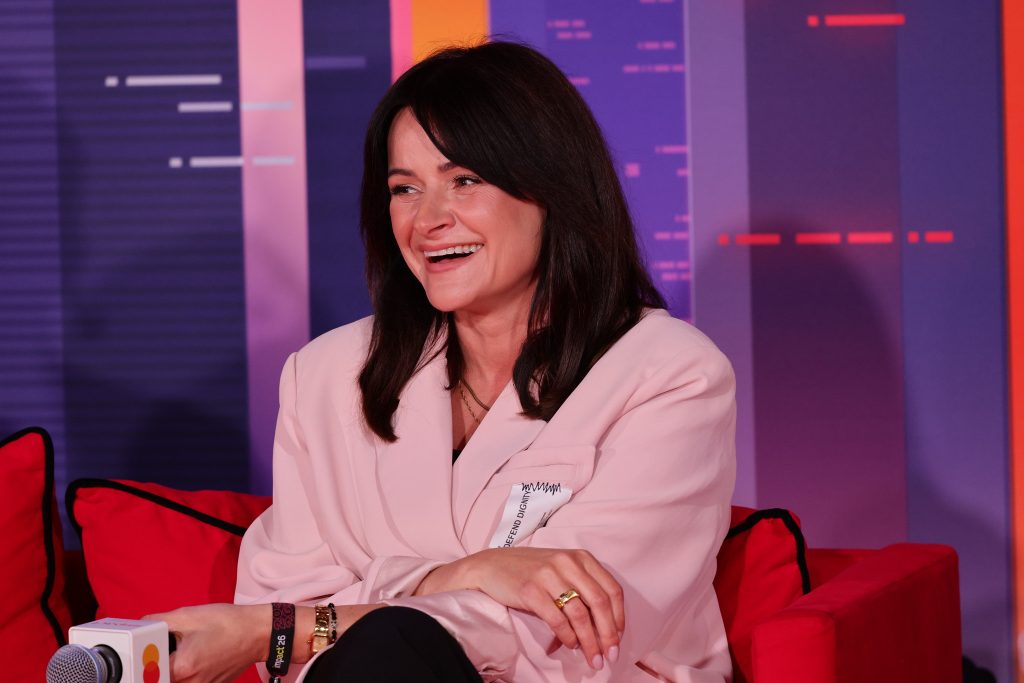
Having in mind your session at Impact CEE, ‘The View from the Boardroom. From Transactions to Ecosystems,’ what is the biggest mindset shift that still needs to happen at boardroom level?”
The biggest mindset shift that still needs to happen at the boardroom level is understanding that competitive advantage today is no longer built primarily on inventory size or transactional efficiency, but on trust, data transparency, and the ability to support consumer decisions long before the purchase itself.
For decades, the standard retail playbook was optimized for speed and immediacy, while the main question was: how to get the customer to the checkout as fast as possible? Today, especially in a high-value category like automotive, the rules of the game are entirely different. Buying a vehicle is a major life decision, often involving a lifetime of savings, and it is usually preceded by extensive research, comparison, and data analysis. Consumers expect to feel fully informed and in control throughout the process. This means that companies can no longer compete only through pricing or stock availability – they must compete through credibility, quality of information, and the ability to reduce uncertainty for the buyer.
As a result, boardrooms must recognize that modern commerce is no longer defined by the single moment when cash is exchanged for keys. The real battleground is the consumer’s decision-making journey: who provides the most trusted insights, the most transparent experience, and the strongest sense of confidence long before the transaction even takes place. In many ways, the companies that win today are not simply the ones selling cars, but the ones best positioned to guide and support the customer through an increasingly complex purchasing decision.
What does it really mean to move from transactions to ecosystems in the automotive industry?
Today, selling a physical car is no longer the final goal; it is just the starting point of a much longer relationship. Since buying a car is an expensive and serious decision, people don’t buy them spontaneously. Instead, they spend weeks researching and comparing offers online. This is the key driver behind the current transition toward digitalization and the general move to build ecosystems.
At OTOMOTO, we often say that while traditional shops optimize seconds, we have to optimize those weeks of decision-making. This is how we approach the idea of creating ecosystems, which for our customers means maximum convenience and peace of mind. Instead of searching for a car in one place, going to a bank for a loan, and looking for insurance somewhere else, they can now find everything under one roof, directly on the platform.
On the other hand, for dealers, it means a shift from pure administration to human connection. When smart data and AI tools like our AutoIQ to support routine tasks, dealers get their time back. They can finally focus on what matters most: talking to the customer and building a real relationship.
What is the best advice you’ve ever received?
„Never let technology replace human connection.” I believe this is one of the most relevant messages for the entire business community today. In the fast-paced tech and corporate world, it is very easy to get super-focused on numbers, automation, and tools like AI just because they are trendy and spark our imagination.
But this advice always keeps me grounded. True leadership and sustainable business growth are not built on algorithms alone. They are built on trust and real relationships. Technology should take over routine, time-consuming processes so that we can focus on what matters most: empathy, strategic thinking, and meaningful human interaction.
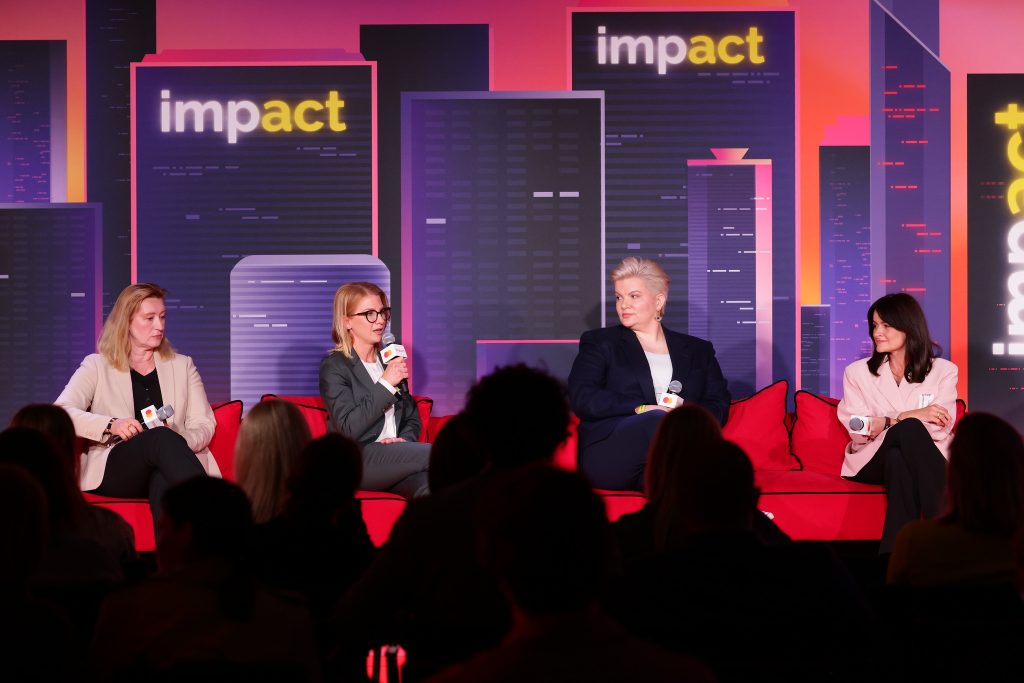
What role do events like Impact CEE play in shaping real industry change, beyond networking?
Impact CEE serves as a high-level platform where different business ecosystems meet to test new ideas and share unique market data. It forces us to look at the „bigger picture” and step outside our own industry bubbles. When you bring together automotive platforms, digital payment leaders, and modern retail ecosystems in one room, you start seeing the common challenges we all face, like building customer trust and managing the rapid rise of AI.
These events also spark collaborative partnerships that don’t just react to market shifts but actively shape the future of modern commerce. It is a place where we turn raw data and technology insights into concrete strategic actions that drive the whole economy forward.
If the audience takes away just one idea from your session, what should it be?
Technology should never be used just as a marketing trick; it must solve real consumer problems, remove information asymmetry, and create absolute transparency. After all, data gives us precision, and AI gives us speed, but at the end of the day, the customer still chooses the brand they simply trust.
You can read the interview in Romanian here.

Autor: Mara Lazăr
Mara Lazăr, originară din Zalău, locuiește în Cluj-Napoca. Iubește oamenii, cafeaua și călătoriile, mai ales destinațiile însorite, să se exprime în scris și spune despre ea că este organizată, recunoscătoare pentru oamenii din viața ei și în căutare de noi provocări.
You may also like

Laura Kiss, CEO Meat Inc Cluj-Napoca: „Am crezut de la început în produs și în ideea conform căreia calitatea face diferența”
Drumul în antreprenoriat a început pentru Laura Kiss cu un burger, „cel mai bun burger pe care l

Mihaela Tudor devine Vicepreședinte Global al European Women’s Association
Mihaela Tudor, antreprenor în serie, devine Vicepreședinte Global al European Women’s Associatio
Femeia lider va fi premiată la Cluj-Napoca
La nivel european, femeile ocupă mai greu funcții de decizie în companii, potrivit datelor furniz

Post a comment
Trebuie să fii autentificat pentru a publica un comentariu.