

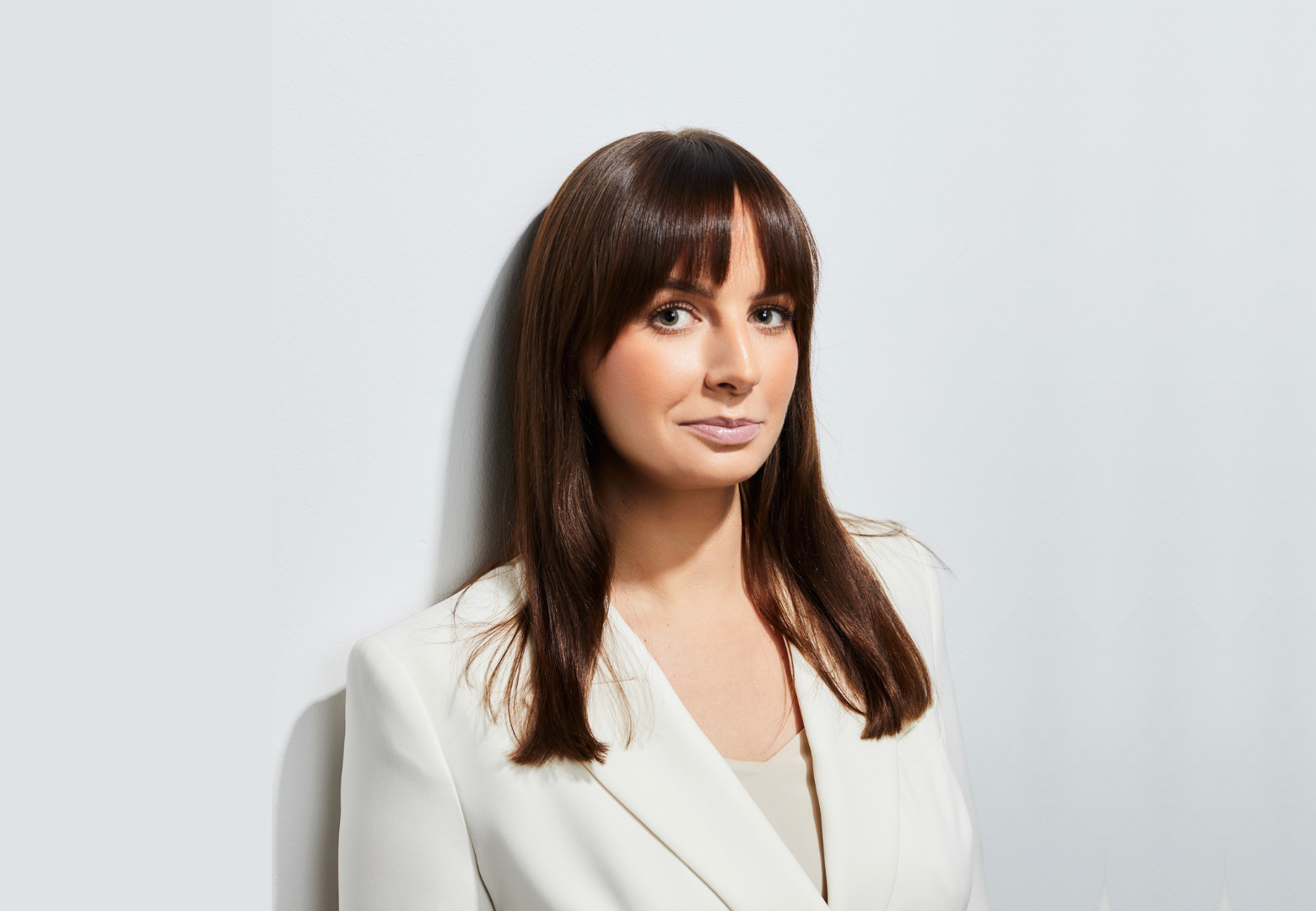
#IMPACTSEE: Marta Liberska, Co-Head of the Agenda Team at IMPACT and member of its founding team: „Success begins when what happened at IMPACT continues elsewhere: in a new relationship, a business idea, a book someone takes home or a project that begins after an unexpected meeting”
Marta Liberska is a member of IMPACT’s founding team and Co-Head of its Agenda Team, alongside Joanna Kasprowicz, at one of the most important business and ideas platforms in Central and Eastern Europe. IMPACT brings together leaders from business, technology, politics, culture, and society for conversations about the changes shaping the present and the future. With a professional background that began in the legal field, Marta has been part of the founding team since 2016, and today she leads the content direction and contributes to shaping the agenda of the platform.
In 2026, IMPACT SEE returns to Bucharest, bringing together more than 200 speakers and 2,500 international participants from Romania, Bulgaria, Serbia, Croatia, Albania, Poland, and across Europe. Over two days, across nine thematic tracks and two interactive stages, leaders from business, technology, economics, and society will discuss the transformations shaping the region, from artificial intelligence, cybersecurity, and digitalization to leadership, economic development, and the green economy. Speakers at this year’s edition include Ryan Reynolds and Anna Lembke, alongside leaders and experts from Romania and across the region.
Marta talks to us about her journey from law to building an international platform, how an agenda can be shaped around the real questions facing society and the business world, and what it means, behind the scenes, to bring together people and perspectives from different industries that would not normally meet. We talk about leadership and credibility, Romania’s relevance in Central and Eastern Europe, how conversations with global leaders are built, and what remains after the stage lights go out.
You started your career in law, worked at top-tier international law firms, and studied at LSE. How did you make the leap into building one of the most important business and innovation events in Central and Eastern Europe?
From the outside, it may look like a dramatic change. In practice, it happened gradually. Law taught me how decisions are made, how institutions operate and how to work through a complex problem without losing sight of the people involved. It also trained me to listen carefully, prepare thoroughly and understand several sides of the same issue. I still use those skills every day.
At LSE, I was surrounded by people who questioned established assumptions and debated how economies and societies were evolving. I realised that I was interested not only in analysing change, but also in creating the conditions for the people shaping it to meet.
I remember one of the first long evenings we spent shaping IMPACT. The table was covered with speaker biographies, handwritten notes and arrows connecting people who had probably never been part of the same conversation. The lawyer in me was trying to impose order on it. But I also remember realising that this was what excited me most: not only analysing a structure that already existed, but helping to create one. I did not leave precision behind when I left law. I simply began using it to build conversations rather than contracts.

How did IMPACT come to life, and what was the founding team’s original vision?
At the time, many important conversations about business, technology and society were taking place elsewhere. Central and Eastern Europe was often treated as an interesting market or an audience, but rarely as a place from which ideas could originate. We wanted to change that. Central and Eastern Europe should not only host global conversations. It should help shape them.
The region has a particular experience of transformation. Its companies and institutions have learned to adapt quickly, build in uncertain conditions and make progress without always having access to the same resources as organisations in more established markets. We believed that experience deserved a stronger place in the global conversation.
From the beginning, we also wanted IMPACT to bring different groups into the same room.
A business leader should hear from a scientist. A policymaker should understand the reality faced by entrepreneurs. An investor may see a problem differently after listening to an artist or a social thinker.
Many of the breakthroughs shaping our future will happen precisely at these intersections.
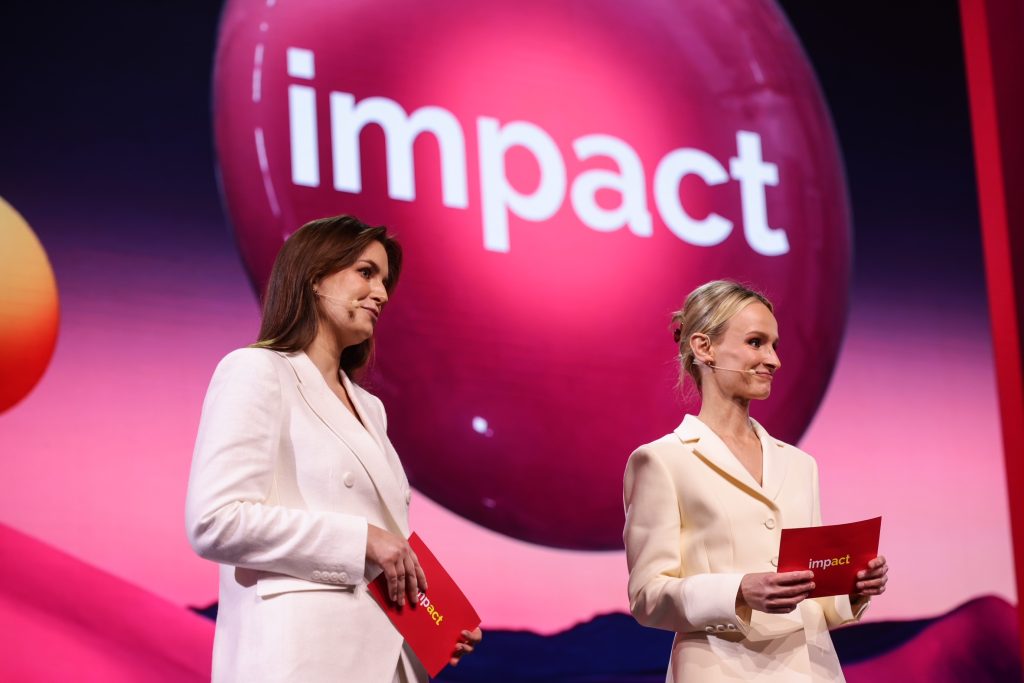
How did the idea emerge to expand the format to Romania and build IMPACT SEE?
Romania became an increasingly obvious direction as we learned more about the country and spoke to people working there. It is a large and dynamic market with strong technical talent, an active entrepreneurial community and growing importance for the economy of Southeast Europe.
We could also see increasing interest from Polish companies. Many no longer view Romania simply as an export destination. They are building local teams and treating the country as part of their regional strategy.
Before defining IMPACT SEE, we spent time listening to Romanian founders, executives, investors, journalists and public institutions. What convinced us was not one ranking or statistic, but the consistency of what we heard. There was room for a platform connecting the Romanian ecosystem with people and ideas from across the region and beyond.
IMPACT SEE grew from a simple belief: Southeast Europe has more to contribute to the global conversation than its current visibility might suggest.
How do you define success across the IMPACT platform today?
I look at three things: relevance, attention and what remains afterwards.
The programme has to reflect questions that businesses, institutions and societies are genuinely confronting. We cannot build an agenda around a topic only because it is fashionable. People should leave with a clearer view of a decision they are already facing or soon will be.
Then there is attention. A full room is encouraging, but it does not automatically mean that the audience is engaged. One small sign I notice is how few phone screens light up during a strong session. People listen, take notes and stay after the official conversation has ended. At a time when attention has become one of our most contested resources, that matters.
We also analyse feedback on content, networking and production. Attendance tells us how many people joined us. It does not tell us whether they met the right people or found something genuinely useful.
Some of the most revealing signs are not conventional metrics. At IMPACT’26 in Poznań, I remember looking at the schedule and then at the queue for Olga Tokarczuk, Nobel Prize-winning author who was signing her books. The queue was not getting any shorter. The part of me trained to watch every minute knew we were already far beyond the planned time. Another part thought: this is exactly why we do this. Olga stayed for more than two hours, twice as long as scheduled. A book-signing queue is not something you would normally put at the top of a business dashboard, but it tells you a great deal about attention, curiosity and what people want to take home from an event.
IMPACT is most visible during its two event days, but it continues throughout the year through publications, smaller conversations, cultural projects and relationships that outlive the stages. The stage is the most visible part of IMPACT. Success begins when what happened at IMPACT continues elsewhere: in a new relationship, a business idea, a book someone takes home or a project that begins after an unexpected meeting.
How do you design an IMPACT edition that attracts global leaders and a relevant audience?
There was no single breakthrough. We built credibility over successive editions. High-profile guests need to know that the context will be serious, the preparation professional and the audience worth addressing. They also look at how previous speakers were treated and whether the event delivered what it promised.
Editorially, we begin with questions, not names. We identify what is changing, where leaders need greater clarity and which perspectives are missing. Then we look for the people who can bring real substance to those subjects.
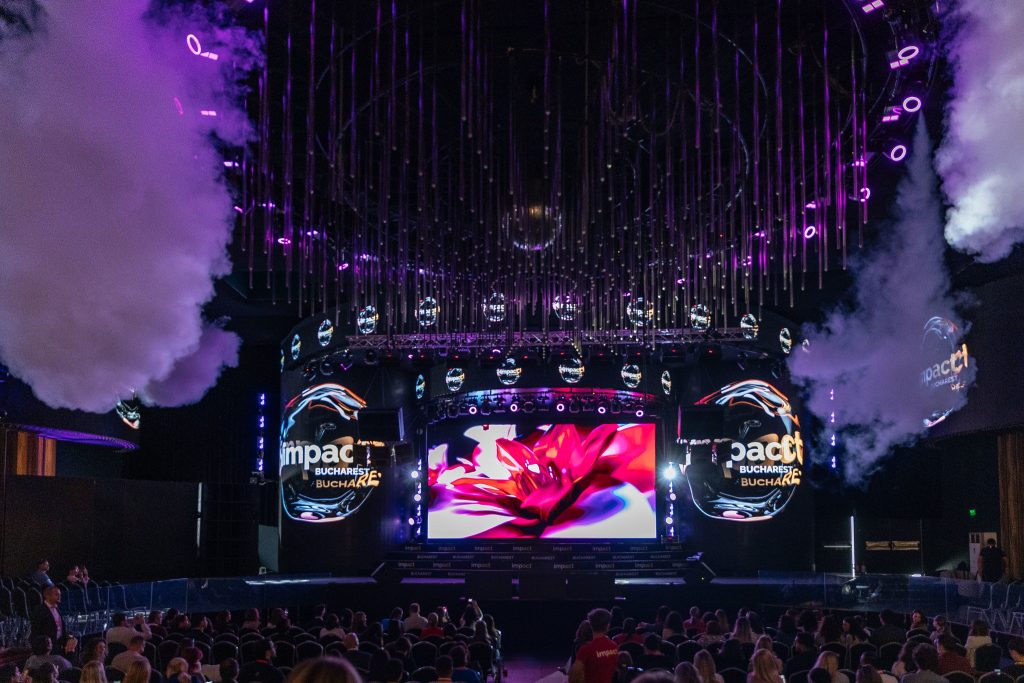
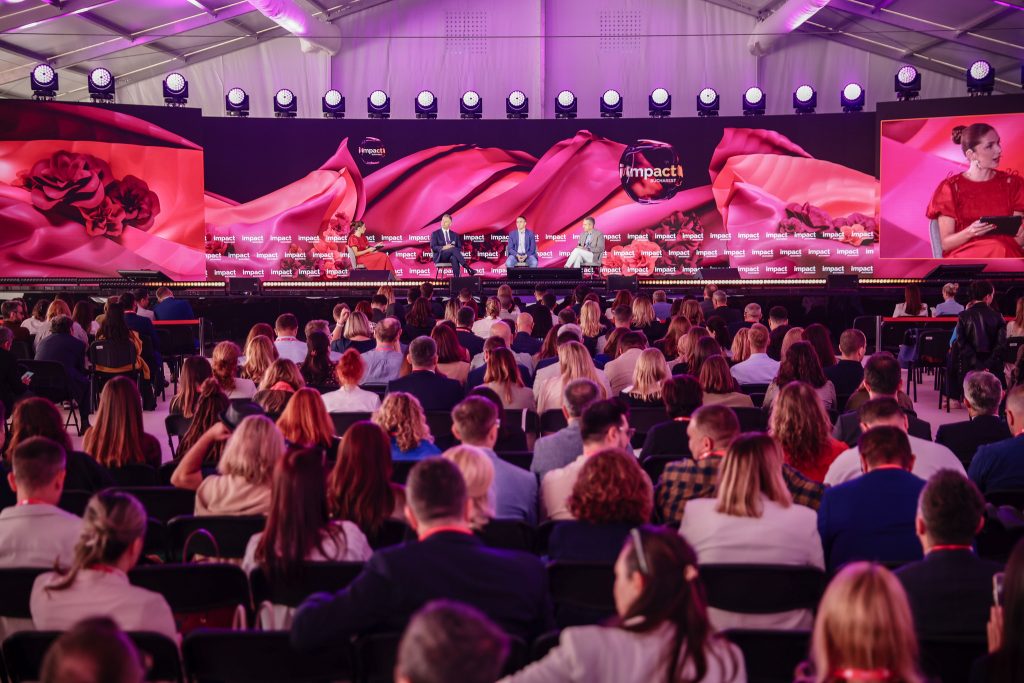
The audience is part of the design. A recognised guest may attract attention, but the conversation will not fulfil its potential without the right people in the room – people able to challenge an idea, apply it or carry it into another sector.
We work almost the entire year to create those two days. Each guest’s presence is designed individually, and sometimes that means travelling across the Atlantic for a meeting that lasts only a few hours, because trust is difficult to build entirely through email and video calls. And yet, once the event begins, the agenda becomes a living organism. Sometimes a year of planning is suddenly compressed into the length of one airport transfer.
I remember Natalie Portman’s visit particularly clearly. The final arrangements for her to read stories to children receiving treatment in hospital had to be put in place in the short window between her plane touching down and her arrival at IMPACT. While she was on her way from the airport, we were adjusting the schedule, confirming practical details and making decisions that would normally have been spread over days. The story did not end there. Together with the TVN Foundation in Poland, IMPACT published a Polish-language edition of Portman’s stories. All proceeds from sales were donated to support child and adolescent psychiatric care.
That is the part of the work the audience rarely sees. It is demanding not only organisationally, but physically and emotionally. You take a breath, put your stress aside and focus on making the moment possible. Good preparation does not mean eliminating surprises. It means being ready when they arrive.
How is a conversation with a global leader prepared? How much is strategy and how much spontaneity?
A conversation that feels natural on stage usually involves weeks of preparation. We study the person beyond the standard biography: previous interviews, decisions, ideas and experiences that shaped their thinking. The goal is to avoid questions they have answered many times and find the point where their knowledge becomes particularly relevant to our audience.
There is also a substantial operational layer. With globally recognised guests, editorial work runs alongside travel, protocol, security, privacy, production and very precise timing. All of that has to be coordinated without making the experience feel rigid.
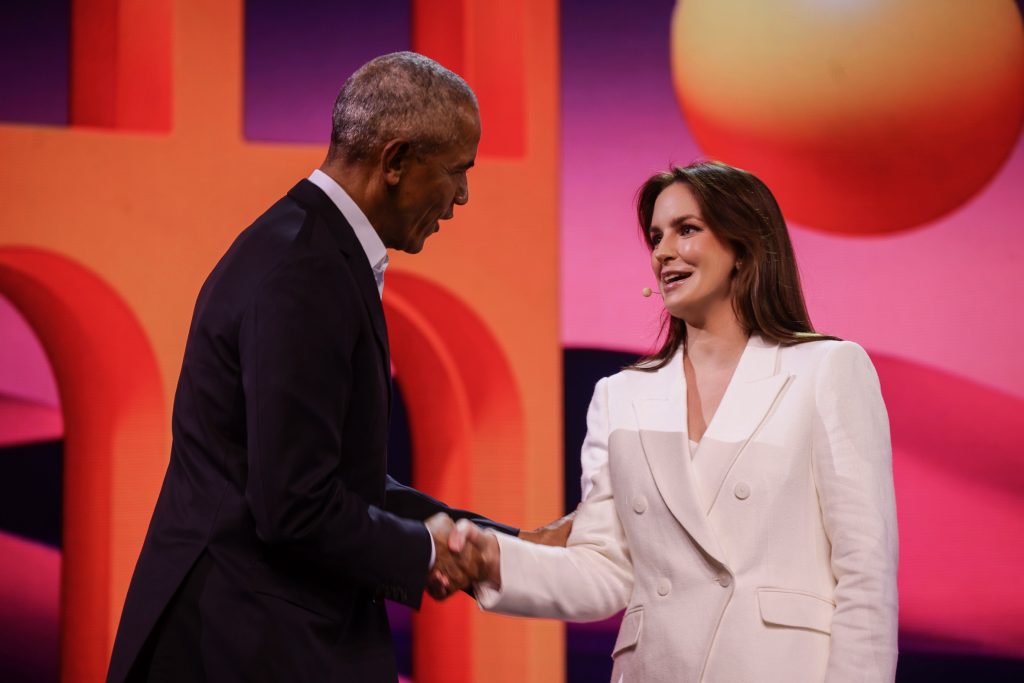
Once the conversation begins, however, the moderator has to give up a degree of control and listen closely. Preparation gives you direction; listening tells you when to leave it. That is when an unexpected answer, a personal story or a genuine change of perspective becomes possible. In a way, preparation creates the conditions for spontaneity. The better you know the landscape, the more freedom you have to explore it.
How has your definition of leadership evolved?
Earlier in my career, I associated leadership mainly with decisiveness. Today, I think judgement is at least as important. The strongest leaders I meet do not pretend to know everything. They understand which questions need to be asked, whose perspective is missing and when their own assumptions should be reconsidered. They can provide direction without pretending that uncertainty has disappeared.
One of the clearest lessons I have had about leadership did not happen on stage. A guest whose schedule was being managed almost to the minute stopped on the way out because they realised they had not thanked a member of the production team who had been with them all day. It delayed the departure by perhaps sixty seconds. Nobody in the audience noticed, but I did. Small decisions like that often tell you more about leadership than a keynote.
How is credibility earned when working with CEOs, founders and political leaders?
Mostly through consistency in ordinary situations. You prepare for the meeting. You respect people’s time. You protect confidential information and respond when you said you would. You do not make promises simply because they might help secure a guest or partnership.
I learned this during a conversation with a potential guest that was already at an advanced stage. We realised that we could not deliver one part of what was being requested without compromising something else we had promised. Saying yes would have been easier in that moment. We said no, explained why and assumed the conversation might end there. It did not. It became more direct – and ultimately more trusting. That experience stayed with me: credibility is not built by removing every obstacle, but by being honest about where the boundaries are.
What have you discovered about authenticity and relationships beyond titles?
Titles open doors. Behaviour determines whether those doors remain open. The people I remember most clearly are often those who treated everyone around them with the same attention – whether they were speaking to another CEO, a young founder, a journalist or a member of the production team.
I do not understand authenticity as informality or speaking without a filter. For me, it is consistency between what someone says, how they act and how they treat people when there is nothing immediate to gain. People may forget the exact wording of a meeting. They usually remember whether they felt listened to and respected.
How is IMPACT SEE coordinated remotely across teams in multiple countries?
Working across countries requires clear ownership and fast communication. People need to know which decisions they can make on their own, what information must be shared and when an issue needs to be escalated.
Remote coordination cannot mean isolation from the market. We spend a significant amount of time in Bucharest and speak to Romanian entrepreneurs, executives, scientists, investors, journalists and institutions. An event designed entirely from Warsaw would inevitably miss part of the local reality. We are also becoming more present in other Southeast European markets because IMPACT SEE is intended to be a regional meeting point, not simply an international event held in Romania.
As Head of the Agenda Team, a large part of my role is to absorb the complexity behind the programme before it reaches the speaker or participant. They should experience one coherent event, not the hundreds of decisions required to produce it.
How standardised is the IMPACT identity across the region, and how much is adapted locally?
IMPACT is a standard, not a template. The standard covers the ambition of the programme, the quality of production, the combination of sectors and respect for the audience’s time. Those elements should be recognisable in every IMPACT format.
The local edition still has to feel rooted in its market. The balance of subjects, regional voices and industries receiving the most attention should respond to the place in which the event is organised.
Poland and Romania bring different strengths. Poland offers scale and an established business ecosystem, while Romania brings strong entrepreneurial momentum and a palpable sense of acceleration. We are interested in what the two markets can learn from one another, not in making them look the same.
How is Romania positioned within Central and Eastern Europe?
Romania still has enormous potential, but it is no longer an abstract promise. It is increasingly visible in what Romanian companies, founders and specialists are already building and achieving. What makes the country particularly interesting today is this combination of proven capability and significant room for further growth.
Romania brings together scale, technical talent, industrial capacity and an active entrepreneurial environment. Its importance to Polish business is also growing, with companies looking more closely at opportunities in technology, financial services, retail, energy, infrastructure and manufacturing.
For the previous edition in Bucharest, two dedicated reports examined Romania’s economic development from different perspectives. They helped us build the programme around the realities of the market rather than impose a ready-made narrative.
At IMPACT SEE, we want to recognise what Romania has already achieved while asking the more difficult questions about what comes next. A valuable regional platform should allow for an honest discussion of the opportunities, the barriers and the decisions that need to be made now.
What does this year’s IMPACT SEE edition bring? What is the common thread?
The common thread is the gap between the speed of change and the speed at which organisations can respond.
Artificial intelligence is altering business models and the way people work. Cybersecurity has evolved from a technical function into a strategic priority that requires leadership-level attention. Geopolitical tensions affect energy, investment and supply chains. Payments and digital commerce are evolving, while the competition for attention is changing consumer behaviour and leadership.
These subjects are closely connected, even though companies and institutions often discuss them separately. The programme is designed to bring those conversations together.
Ryan Reynolds will contribute the perspective of a global creator and entrepreneur. Anna Lembke will address human behaviour, attention and addiction. Ilian Mihov will examine the economic environment in which businesses make decisions. They will be joined by founders, executives, investors, scientists and policymakers from Romania and the wider region.
We are also bringing back the IMPACT Bookstore after the warm response it received last year. It allows people to discover books connected to the ideas explored on stage and take those conversations home with them. I like the fact that it gives an idea a longer life than the session in which it first appears.
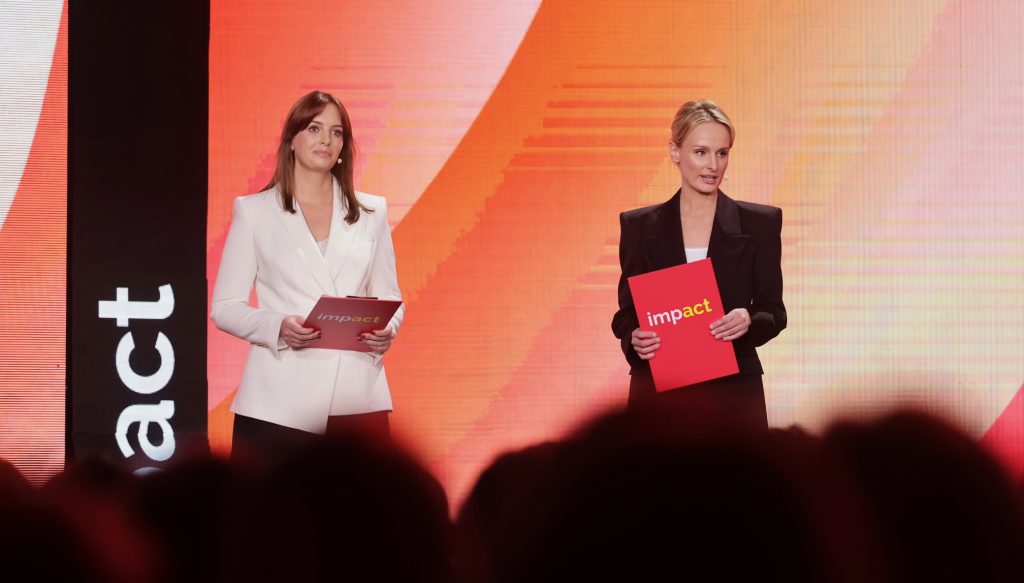
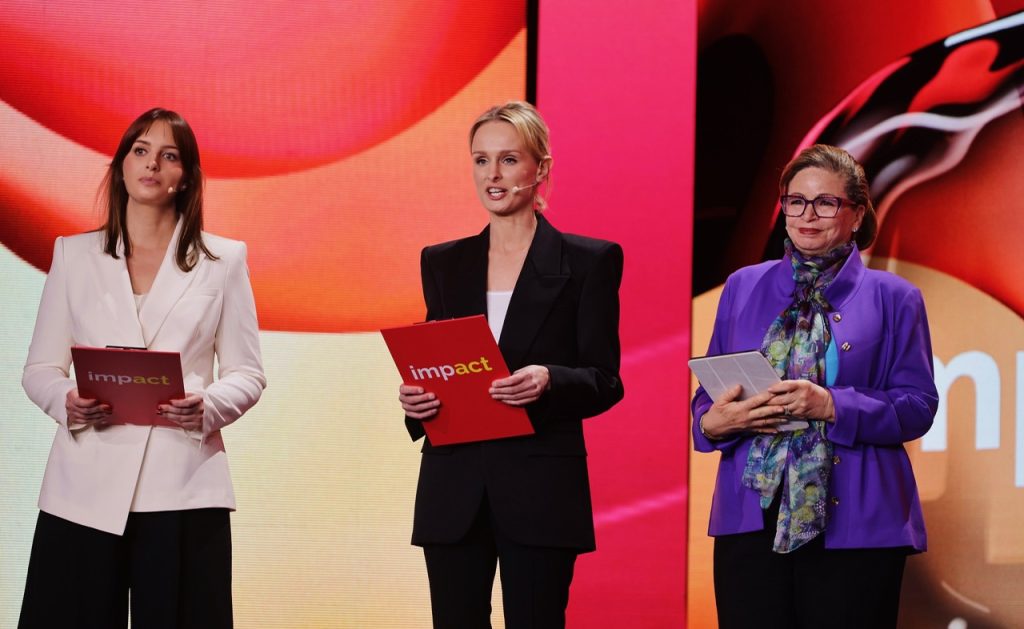
IMPACT SEE will bring together over 2,500 international participants and 200 speakers across nine thematic tracks and two interactive stages. The scale allows us to connect sectors that rarely meet, while the programme creates opportunities for direct conversation.
We do not expect one speaker or one panel to provide a complete answer. The value comes from comparing perspectives and recognising the connections early enough to make better decisions.
–
Heels or flats? -Flats, particularly on event days. By lunchtime, I have usually walked the equivalent of a small city. I still appreciate a great pair of heels – just not during a twelve-hour production schedule.
Most memorable moment at IMPACT: There have been many, but one recent moment from our Poznań edition stands out: the audience realised that George Clooney – who had not been announced as a speaker – was there alongside Amal Clooney. We plan the programme in great detail, but it is impossible to manufacture the energy of a room experiencing a genuine surprise.
Best piece of advice you’ve ever received: Stay curious. Expertise can make you confident, but curiosity keeps you learning.
What’s always in your bag? – A book, a bottle of water and a notebook. During IMPACT, the bag becomes slightly more operational: two chargers – because relying on one is optimism – and the latest version of the agenda covered in handwritten notes.
Note to self: Do the work. Leave room for the unexpected.
The interview in Romanian can be read here.
–
Redactor: Mara Lazăr
You may also like
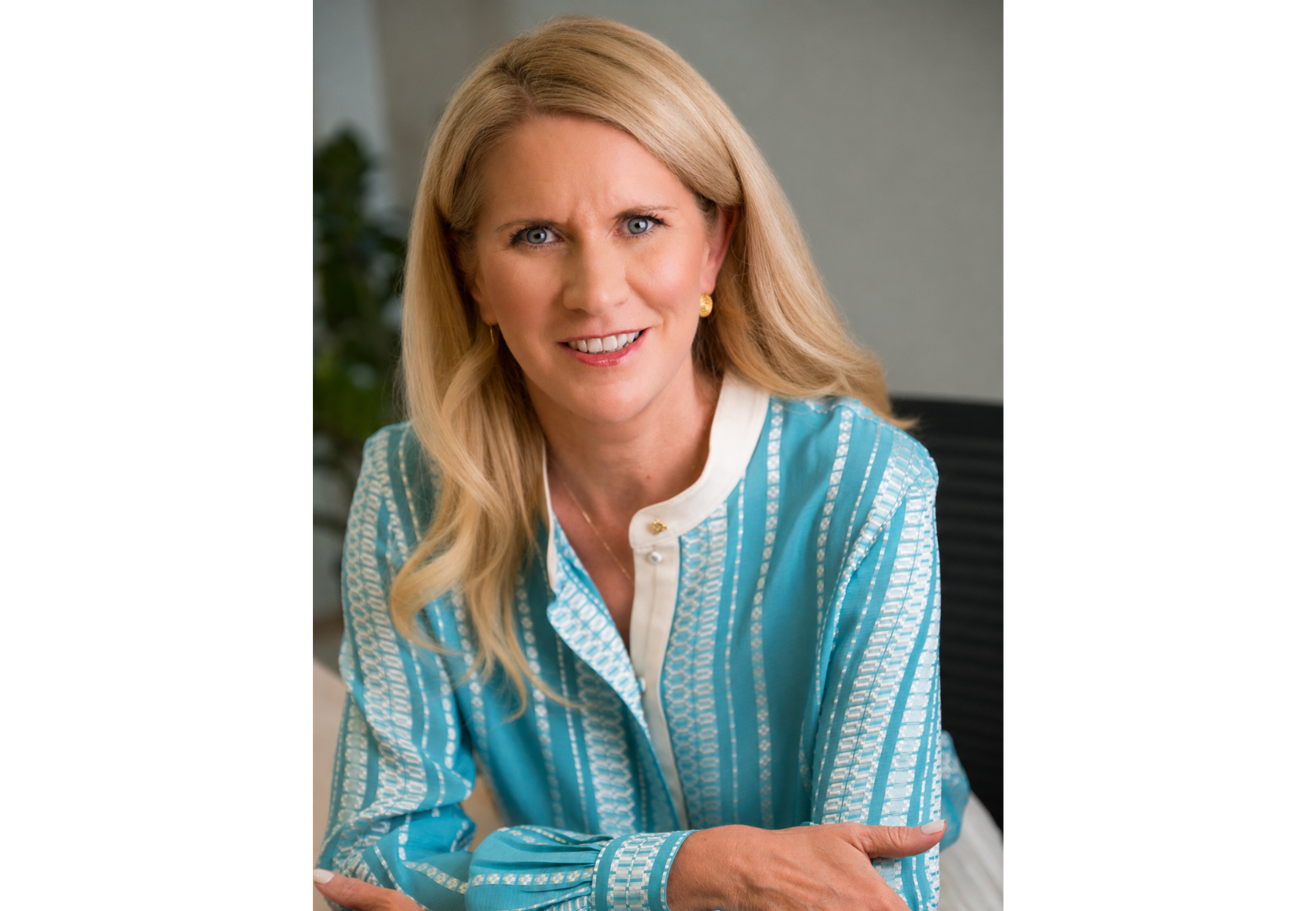
Andreea Moraru, Managing Director BERD pentru CEE și Țările Baltice:„Adevărata măsură a succesului nu este adesea proiectul în sine, ci dacă îi încurajează și pe alții să-i urmeze exemplul.”
Andreea Moraru este Managing Director pentru Europa Centrală și țările baltice în cadrul Bănci
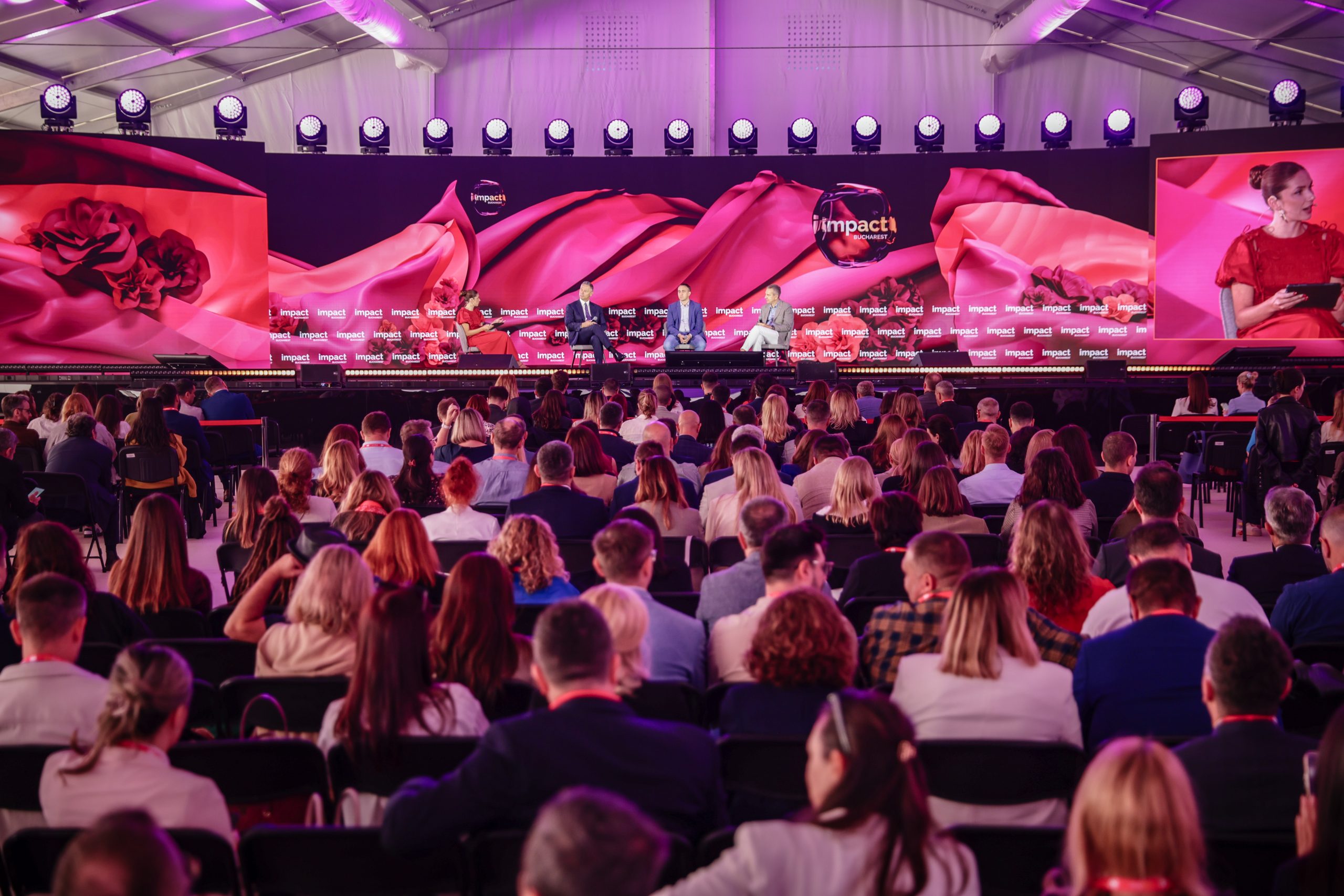
Impact SEE’26 anunță agenda. Dr. Anna Lembke și Ryan Reynolds printre speakerii prezenți
Ryan Reynolds, Dr. Anna Lembke, Ilian Mihov și David Popovici se numără printre cei aproximativ 2
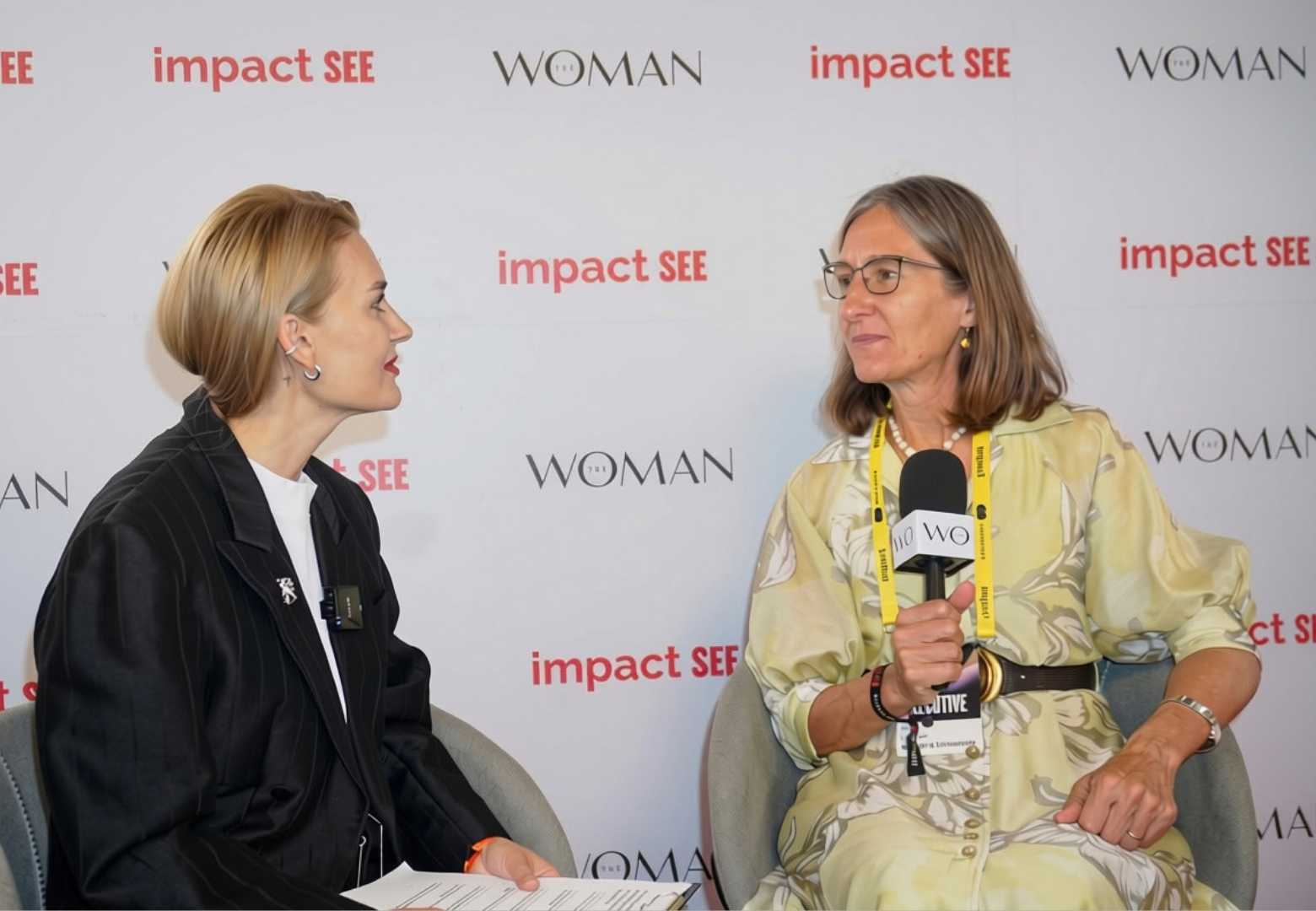
Anna Lembke: ”It’s important to try to use the technology as a tool and not as a drug”
The line between pleasure, habit, and addiction can be difficult to recognize, especially when rewar
