

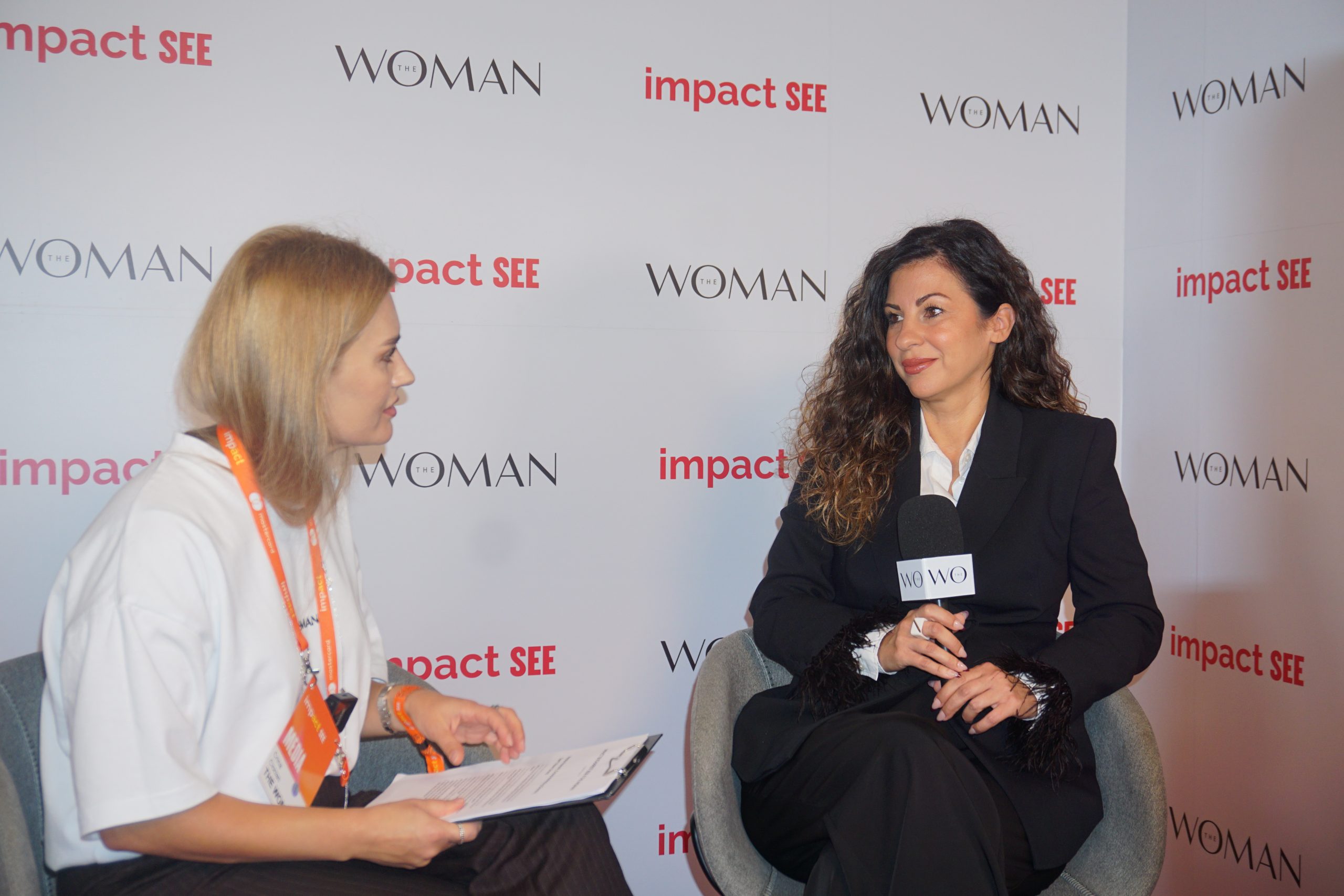
Nataša Pavlović, senior marketing executive : „Marketing is not a cost, it is an investment.”
With over 17 years of executive experience steering retail strategy, brand transformation, and customer engagement, Nataša Pavlović is widely recognized as one of the most prominent marketing leaders in Southeast and Central Europe. Most recently, Nataša served as Group Marketing Director at Sport Vision Group, where she led marketing strategy, CRM, customer experience, and integrated brand initiatives across 13 international markets, driving business transformation and customer-centric growth. Her proven track record also includes more than a decade at Idea and Mercator S, where as CMO she drove the marketing and loyalty engines behind major FMCG powerhouses like Idea, Roda, Mercator, and Velpro.
Recognized among the Top 100 Most Powerful Women in Serbia, named CMO of the Year by Marketing Network Mark Awards, and serving on the Advisory Board of IAA Serbia and FemaleNet Global, Nataša pairs high-level corporate acumen with a passionate commitment to empowering female leaders.
In this exclusive interview conducted at the IMPACT SEE conference, Nataša Pavlović shares candid perspectives on leading multi-market portfolios, debunks the illusion of the „standardized regional shopper,” and explains why marketing must speak the language of measurable business investment rather than cost. From retail basket algorithms to leadership resilience in an era of rapid AI adoption, she reminds us why human insight remains the ultimate competitive edge: technology is only an enabler, but true strategy begins with listening.
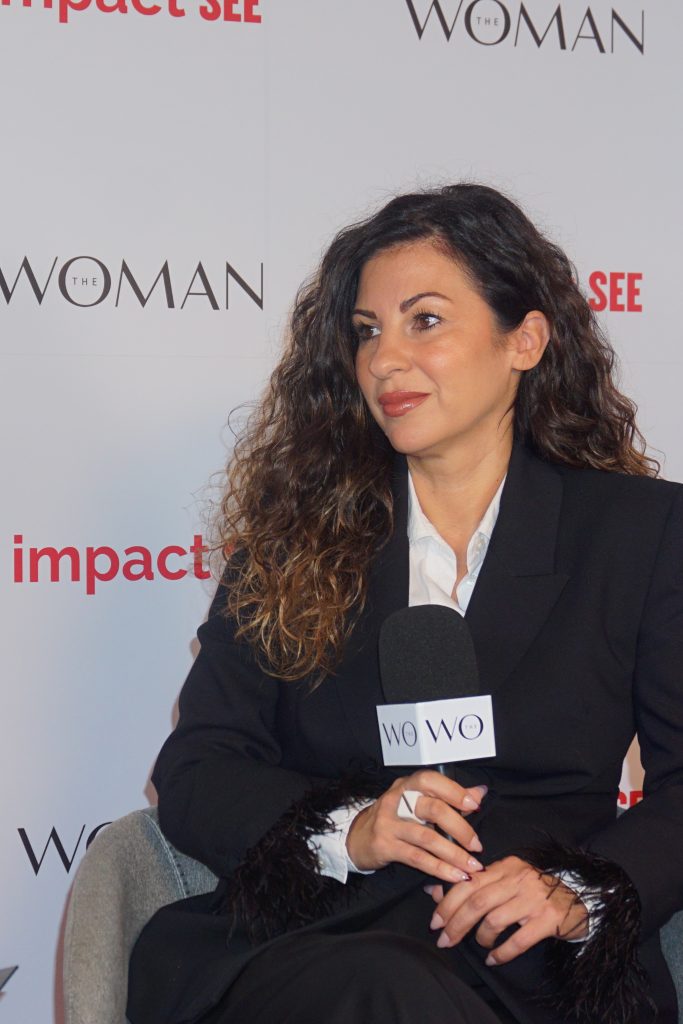
How different are consumers across these markets? And how much of your strategy is tailored per market versus region? Can you tell us some differences that you noticed across these regions, maybe with some examples?
Well, I can say that probably when you start leading those markets, you see that there is no such thing as regional consumers. You can have the regional strategy, you can have the centralized marketing, but at the end, every single market has its own customers. The main thing and difference between countries, from Serbia, Montenegro, Bosnia to Czechia, Slovakia, Romania, Bulgaria, is that they are so different because it is normal. You have different competitors, you have different consumer habits, and at the end, the price sensitivity is different from country to country.
The main thing I fell in love with marketing is knowing and understanding those people. This is the first thing in marketing: you really need to research first. If you research, you see that sometimes what people say is not always what they do. But it is not because they are hypocrites; this is really what they value and say, but the real-life situation dictates how they behave.
For example, in all the research you will find, especially in Romania, 85% of people say that they are into sustainability, domestic, local products, and everything. But when you see the behavior in loyalty transactional data, price is the first priority, followed by location and accessibility. I see this gap in all markets; sometimes it’s larger, sometimes smaller. It is normal because when you ask consumers what they think, they are on autopilot. You never think about it before going to the store, but when asked why or how often you buy, you try to rationalize the decision and state something that isn’t your actual behavior.
We have seen interesting cases. For example, in Serbia, during a big basket analysis research, we noticed a loyal customer buying everything except meat. You might assume he is a vegetarian, but you need wider lifestyle segmentation to understand whether he is vegetarian or simply buying meat somewhere else. Another fascinating pattern appeared with diapers: when people buy diapers, they buy everything else for efficiency. We noticed that in almost every receipt with diapers, there was beer, because fathers were the ones sent to buy the diapers! You really need to go deeper to understand that. Consumers behave based on their real-life situation: people genuinely want to buy local and be sustainable, but they shouldn’t have to choose between the wallet and the world, you should offer them both.
You have access to a lot of data. Would you say that you base your decisions more on intuition or on data? How do you strike that balance?
Intuition is an important part, for sure, because intuition comes from accumulated knowledge and past experience.
I choose both. Many companies today have great data, but what truly matters is what we do with that data. Our strategy, personalization, and customer communication all depend on that intuition to translate numbers into action. At the end of the day, it is crucial to understand the wider picture, and that perspective comes from intuition grounded in deep professional experience.
In marketing, budgets are often the first to be cut during a crisis. How do you lobby for your budget and convince top management of its necessity?
Yes, that is always a fight. But from the beginning, my approach is to show them that marketing is not a cost, it is an investment.
Through time, you must prove this through business results so that leadership trusts you. Being a CMO requires speaking multiple languages: one language for the consumers, and an entirely different language for the CFO, CEO, and the board. You have to understand the business logic behind the numbers and propose budgets tied directly to measurable business outcomes, not just brand awareness. When you analyze it, quantify it, and show case studies proving that investing more generated more return, the conversation shifts. It must always start with investment and business results; the creative storytelling comes after.
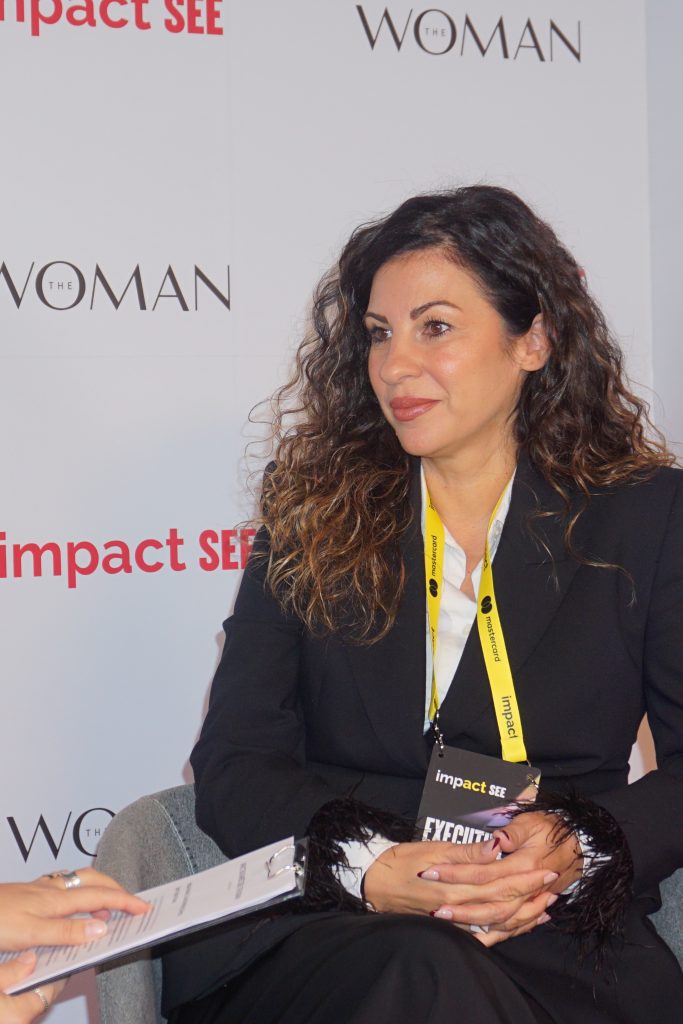
As a member of FemaleNet Global and one of Serbia’s influential business leaders, what practices help more women reach senior leadership roles, and how do you view these networks?
Empowering women and providing visibility is vital so that younger generations can see what is possible. I have a daughter, and I work with many talented young women; the most important thing is for them to see that through work, knowledge, and experience, you can achieve whatever you aim for.
It is not easy—it remains a male-dominated business world. That is why I have never wanted to see myself merely as a female leader, but as a business leader. Courage, curiosity, and stepping up for yourself are fundamental. Often, women feel they need to prove themselves twice as hard through knowledge and expertise. It can be a demanding position, but once you succeed, you know you truly earned and deserve it.
What are the main advantages of being part of a women’s leadership network?
It is immensely valuable because you share genuine experience and knowledge. Talented women from corporate backgrounds to entrepreneurship come together willing to share their setbacks and lessons so that younger leaders don’t have to repeat the same mistakes.
It bridges different worlds, connecting corporate expertise with entrepreneurial agility. It creates opportunities for young, talented women to enter the business arena or collaborate with large corporations. Having a dedicated space, even once a year, to communicate, support one another, and open doors makes a tremendous impact.
What is your one final piece of advice for leaders today?
My advice is simple: listen.
We live in a world where everything moves at extreme speed. We talk constantly about AI, digital transformation, and emerging technologies. But technology is an enabler, not a strategy. Strategy lies in truly understanding people, listening to them, and combining insights to deliver what they actually need, not just what we want them to hear.
Impact SEE’26, presented by Mastercard, brought together nearly 3,000 attendees and approximately 200 speakers atRomexpo Exhibition Center and Face Convention Center on September 29–30. The third edition in Bucharest featuredthree main stages and eight thematic tracks, two of which were introduced for the first time this year: Investments &Startups and Culture. The program also included Impact Bookstore, a dedicated space for books and meet-and-greetsessions with authors attending the event.
Topics ranged from the strategies behind building a successful brand to Europe’s ability to develop technology andfinance growing companies. Leaders from Mastercard, Banca Transilvania, McLaren Racing, Trendyol, and UiPath joinedspeakers from government, science, sports, and culture.
You may also like

Cum faci un site atrăgător: 30 de elemente obligatorii în magazinul tău online
Când intri prima data într-un magazin fizic, ce te atrage înăuntru? Și ce te face să rămâi?

International Conference for Women Entrepreneurs: Femei antreprenor de succes din Europa pentru a oferi soluții practice și idei de parteneriate // 28 – 29 Octombrie 2024
Pe 28 și 29 octombrie, la Cluj-Napoca, va avea loc International Conference for Women Entrepreneurs

Campaigns, agenția de digital marketing, a încheiat 2023 cu o cifră de afaceri de 1 milion de euro
Agenția de digital marketing Campaigns, dedicată magazinelor online de fashion și lifestyle, a î
