

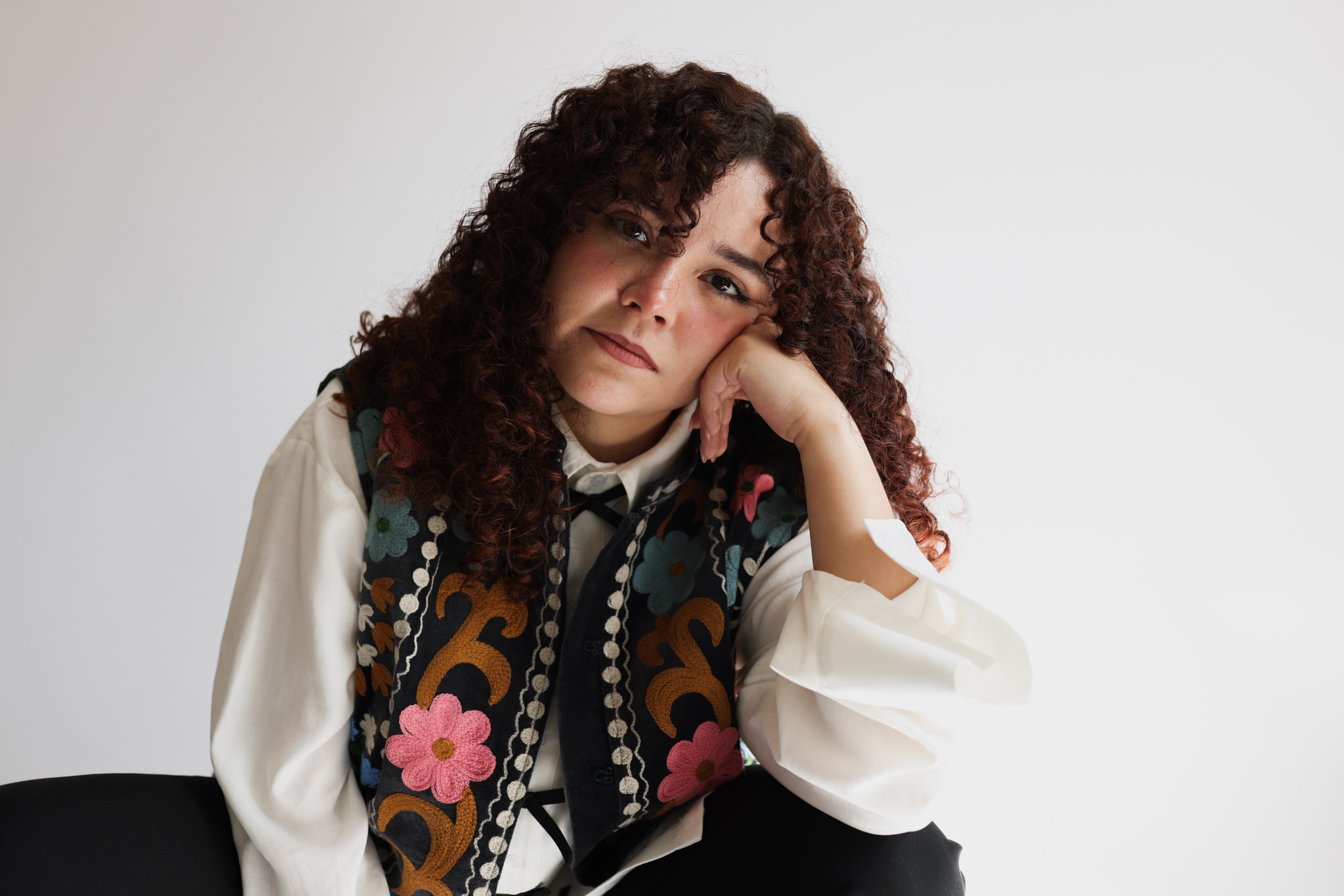
Nina Mathys: „Algorithms deliver reach, but fandom delivers sustainability. (…) Treat your fan communities not as an afterthought, but as the core of the business model”
In an era dominated by fleeting algorithms and superficial vanity metrics, true staying power in the creative industries still hinges on an intensely human need: belonging. Nina Mathys’ journey began in a space that traditional marketing often dismisses, fandom. From steering an engaged community of over 14,000 One Direction followers to founding Blank Agency, she has proven how genuine passion and empathy can be transformed into a cutting-edge business framework for global acts and rising independent talent alike.
Ahead of her appearance at Mastering the Music Business, Nina talked about how joy-led marketing, two-way dialogue, and genuine appreciation build fanbases that outlast any fleeting trend. This is a conversation about turning raw emotion into smart strategy, looking past quick-hit social hooks, and building long-term career sustainability on real human connection.
You started out as an active super fan managing a community of over 14,000 followers dedicated to One Direction, and today you run Blank Agency and work with artists ranging from global acts to rising independent talent. Looking back, what concrete lessons did you take away from inside that community, and how did they fundamentally reshape the way you approach marketing strategies, brand activations, and social media campaigns based on the idea that fans are an integral part of the artist’s story rather than just an audience?
I’ve taken away so many valuable lessons from being part of a fan community. On a practical level, I was able to build skills in community management – understanding what people want and what they respond to, engaging with a diverse group of people daily, and identifying trends right as they start. However, the biggest takeaway is that fans act out of intrinsic motivation and genuine joy, not obligation. That’s how I started, too – no one needed to tell me to support my favourite artist: I did it purely out of joy and wanting to be a part of their world. Traditional marketing often treats audiences as targets to convert, but fans participate for many different reasons that bring them joy – like connection and a sense of belonging.
When building strategies or social media campaigns, my starting point always has to be: How do we trigger and nurture that sense of joy?
When was the exact moment you realized that fans’ emotional attachment could be transformed into a strategic business and promotional methodology? What came next?
The realisation first came to me when I looked at my own habits (and found out that I was a top spender for my favourite artists). I bought vinyl, wore merch regularly, and traveled for shows , and nobody had to ask me to do it. It triggered the core question: Why do fans naturally engage in this behavior?
When I started working in the music industry, I realised this question remained largely unanswered. Even though „superfans” is a major industry buzzword, most strategies are still stuck relying on standard promotional tools that end up feeling like one-way press releases. They miss the opportunity to create a real two-way dialogue that invites fans into an artist’s world.
Only a handful of artists seemed to actively include their communities, which was often the exact reason I became a fan in the first place.

Artists that consistently make their community feel seen and heard build remarkable engagement. At the end of the day, strengthening that connection pays off commercially as well: Spotify reported that just the top 2% of an artist’s listeners are responsible for over 50% of ticket sales. Those are numbers that we shouldn’t ignore.
How does your background as a fan help you „translate” community expectations for management teams and artists without the messaging feeling forced?
Most teams want to listen to their fans, the challenge is simply knowing what they’re saying. Wherever possible, we base our strategies, ideas, and community expectations not just on our experience, but on data as well.
There are different ways of doing this. For example, I set up a framework outlining five core drivers of fandom (each with specific subcategories), which include elements like a Sense of Identity and Community, among others. We analyse a fanbase accordingly and use this understanding as a foundation for our work. Another project we launched was a „fan consultation” where over 1,500 fans completed a survey, followed by a focus group session with a selected group of fans. Presenting these direct insights allows us to prove exactly why certain strategies, merch concepts, or content ideas will resonate – backed up directly by the fans themselves!
You often argue that fans aren’t just an audience, but a direct part of the artist’s narrative. How is this vision practically reflected in the briefs you build at Blank Agency?
Everything is built through a fan lens. This means we audit the existing fan journey: How are listeners currently discovering the artist? What do they see when they stumble across a clip? Most importantly: Where do they land when they dig deeper into an artist’s profile, and what does the conversation look like from there? Do fans have a space where they can exist and find each other, or are they greeted only with more promotional content?
We also run Community or „HQ” accounts for artists, which serve as simple bridges between fans and the artist’s world to foster genuine engagement. I love finding ways to involve the community in smaller activations. One of my favourite examples is a Secret Santa activation we ran with a band and their fanbase. Fans exchanged gifts with each other (and the band members were included in the draw too, sending a gift to a fan and receiving one in return) creating a moment of community for the fans.

Where is the fine line between genuinely involving fans as part of the narrative and the risk of making the community feel used as merely a free promotional channel?
It comes down to recognition, appreciation, and valuation.
Fans don’t expect financial compensation for supporting an artist, but they do expect to feel valued – especially if they’re being asked to participate or help out.
Simple gestures, like sharing fan art on Instagram stories, sending a quick DM after a fan-organised project, or acknowledging community efforts, go a long way.
To maintain healthy dynamics and prevent overly intense parasocial relationships, artists can utilise HQ or community accounts. These act as dedicated hubs where fans feel appreciated and involved while keeping healthy boundaries for the artist. The exact strategy obviously depends on the artist, and the scale of the fandom, but the core principle remains: appreciation is always essential.
What is the very first thing you look for in a fanbase when you begin working with a new artist: raw numbers, comment-section dynamics, user-generated content, or another metric entirely?
The first step is identifying where the fanbase currently sits: are we working mostly with casual listeners, true fans, or maybe even superfans? Because every artist’s ecosystem is completely different, I look at a combination of qualitative factors rather than a single metric. I like to start with a direct conversation with the artist: Do you know your audience, and do you feel you truly hear them? What are they saying, and how do you feel about your ongoing dialogue with them?
From there, I look at qualitative spaces: comment sections, Reddit threads, fan-created TikToks, or anywhere active conversations live.
It’s about discovering where the community gathers and understanding what they are actually discussing.
If an active fanbase doesn’t exist yet, we look at reference artists who inspire them, audit whatever listening base they do have, and go from there.
What major mistake do you frequently see in music social media campaigns that treat fans as mere content consumers instead of co-creators?
The biggest mistake is only using generic TikTok algorithm hooks like „For the people who don’t scroll immediately” or „TikTok doesn’t favour small artists.” They might deliver short-term views and reach, but they’re not sustainable or build long-term loyalty.
Real growth requires real people: Who are you?
I know that’s easier said than done, but the people scrolling through social media are human beings. Stop treating them like algorithm bots and speak to them like real people. How would you tell your friends, neighbours, or cousins about your music? What defines it, and what do you genuinely enjoy about making it? Talk to your audience about what you love about it instead!

How do you navigate identity differences when working with artists across vastly different stylistic realms, from global acts to smaller-scale or country-specific projects?
Every artist is distinct, and every fandom forms around different motivations. While one community might form around a shared visual aesthetic or sense of identity (a great example being Charli XCX’s Brat), another might build around deep emotional intimacy (like dodie, who shares her story intimately through her music and YouTube videos).
However, fandom dynamics follow similar underlying psychological patterns regardless of scale or genre.
The key is understanding those core drivers first, and speaking to the artists to find out what they feel comfortable with, and adapting our strategy to match both.
At Mastering the Music Business 2026, the audience consists of both emerging artists and established industry professionals. What is the key message you want to deliver to the Eastern European music industry regarding the future of fan communities?
Algorithms deliver reach, but fandom delivers sustainability! I often refer to Kevin Kelly’s „1,000 True Fans” concept – if 1,000 people spend $100 a year on your work, that brings in $100,000 annually. Of course, the model is simplified – not everyone spends $100, and you have business expenses to consider – but the underlying principle remains true: treat your fan communities not as an afterthought, but as the core of their business model, and build a foundation with them.
For an independent artist attending MMB without a major marketing budget, what is the first practical step to turn their first 100 loyal listeners into an active community?
Start by auditing your current touchpoints to identify where passive listening can become an active connection. Ask yourself: How are people finding me, and what invitation am I giving them to stick around? Focus on small, intentional touchpoints – whether that’s putting a dedicated QR code on screen at live shows or running an exclusive giveaway for early ticket buyers or newsletter subscribers. Make sure you make it fun and easy for someone to stick around!
What are your expectations from engaging with the Romanian and regional music scene at this edition of the conference?
I’m excited to gain insight into a regional market that I haven’t had as much direct crossover with yet. I’m really looking forward to exchanging perspectives and seeing how regional artists connect with their audiences! I always love hearing about people’s ideas and what they’re passionate about – I usually end up learning just as much myself.

Autor: Sânziana Fărăgău - Dragoș
Sânziana Fărăgău - Dragoș își găsește echilibrul în sala de sport, iubește timpul petrecut cu prietenii și vacanțele care îi aduc inspirație. Cei care o cunosc spun despre ea că pune suflet în tot ceea ce face, fiind perseverentă și ambițioasă, mereu în căutare de noi provocări și oportunități de creștere. Scrisul este pentru ea o sursă de creativitate și un mod de a se exprima liber.
You may also like
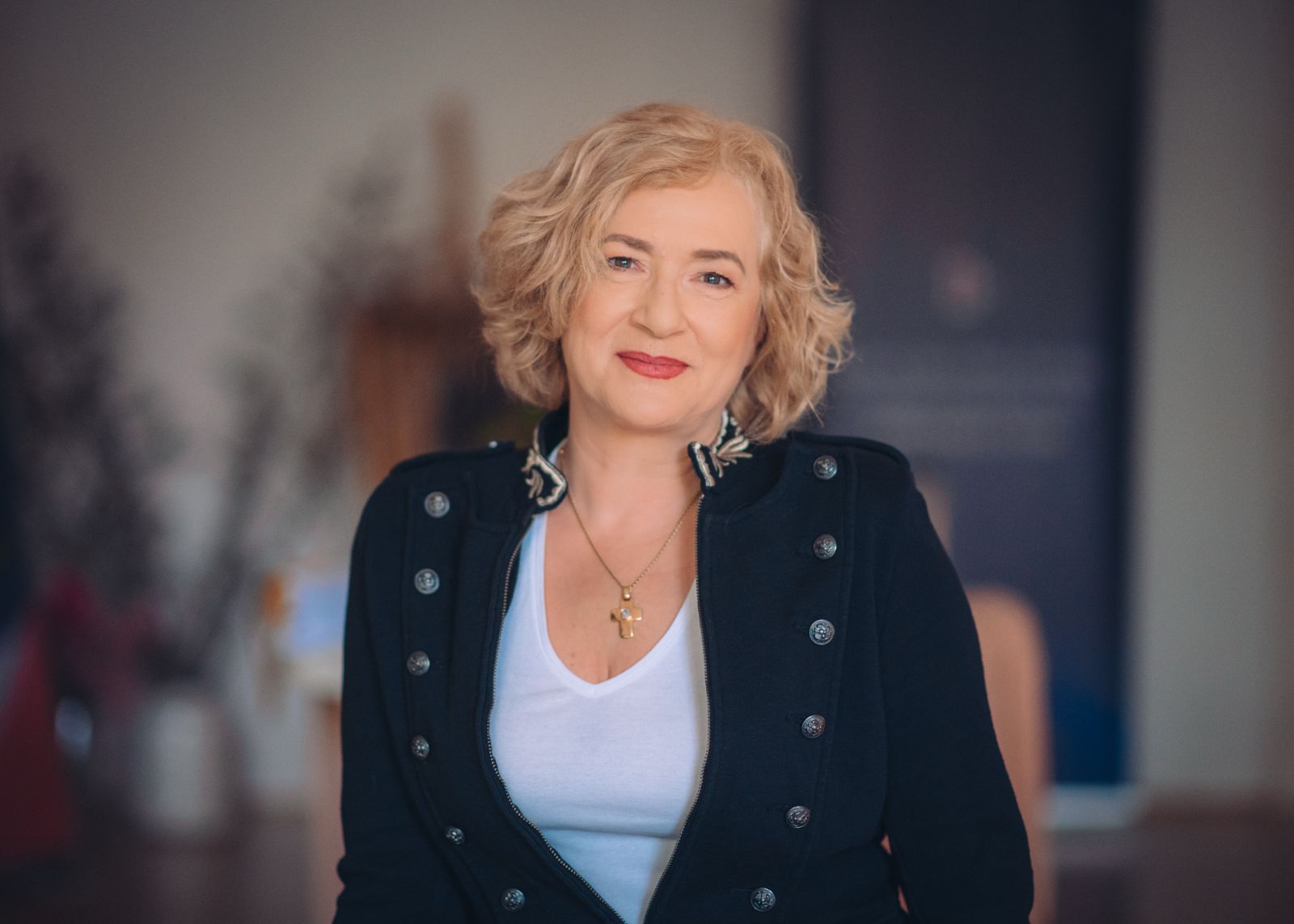
Anca Lupeș, fondatoarea Mastering the Music Business: „Industria muzicală din România de astăzi a câștigat experiență, vizibilitate și respect.”
Anca Lupeș, fondatoarea MMB, despre educația în music business, ce pierd artiștii care refuză s

Mastering the Music Business 2026: Sfatul lui Dan Byron pentru Artiști
Tinerii artiști care vor să se exprime mai ușor și să scrie versuri mai bune ar trebui să cite
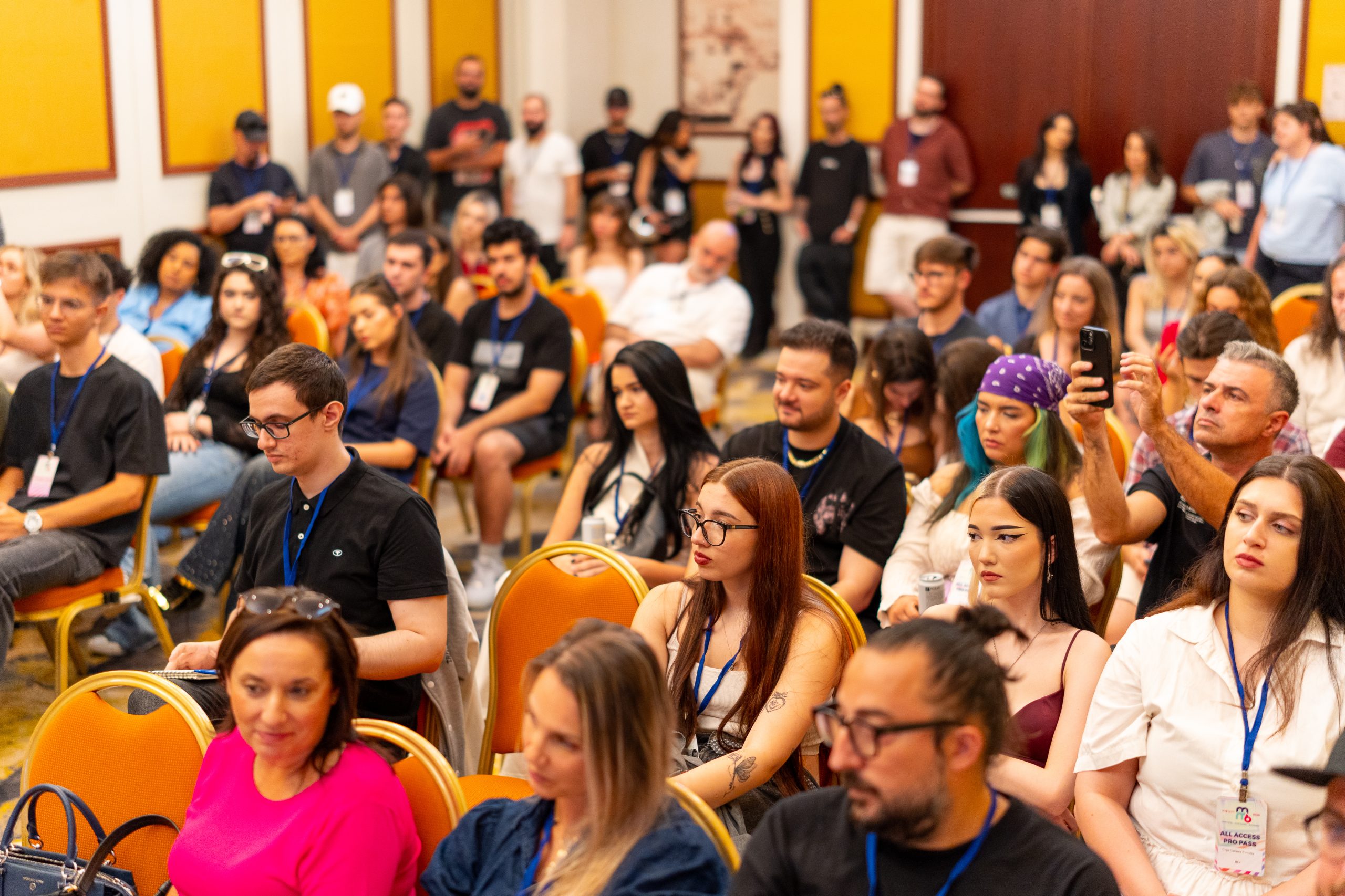
MMB 2026: 3 zile de eveniment și aproape 2.000 de participanți
Aproape 2.000 de participanți au luat parte la cea de-a XI-a ediție Mastering the Music Business,
