

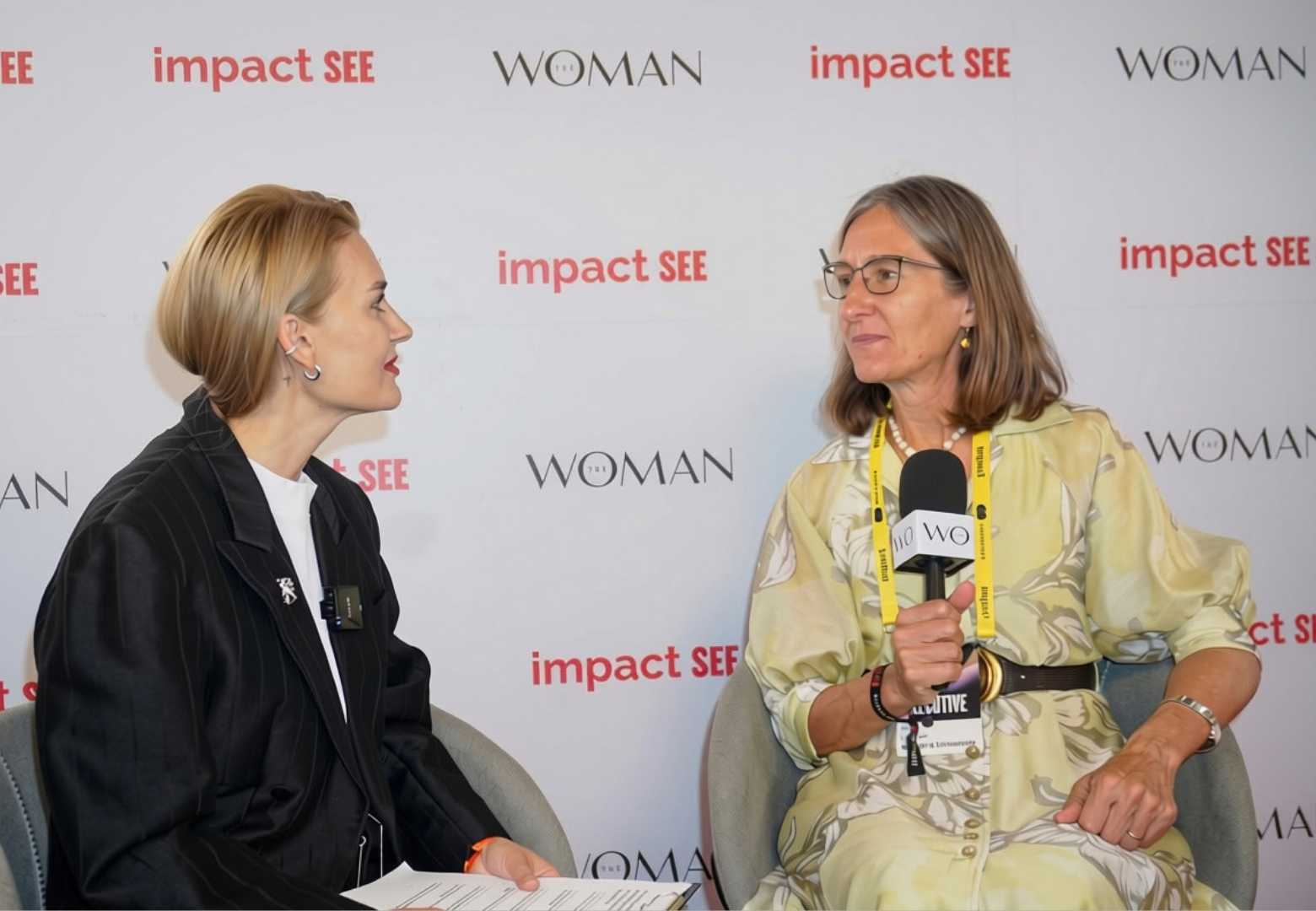
Anna Lembke: ”It’s important to try to use the technology as a tool and not as a drug”
The line between pleasure, habit, and addiction can be difficult to recognize, especially when rewards are constantly within reach. Anna Lembke, professor of psychiatry at Stanford University School of Medicine and chief of the Stanford Addiction Medicine Dual Diagnosis Clinic, has spent much of her career examining how compulsive behaviors shape the way we live, work, and connect with one another.
The author of the New York Times bestselling Dopamine Nation: Finding Balance in the Age of Indulgence, Lembke explores the effects of our constant exposure to rewarding stimuli – from social media and smartphones to work, achievement, and other forms of overconsumption. She also appeared in the Netflix documentary The Social Dilemma, discussing the addictive design behind many of the digital platforms we use every day.
We spoke with Anna Lembke live at Impact SEE, in The Woman studio, about digital addiction, burnout, the pressure to constantly perform, and the small but meaningful habits that can help us regain control of our attention. From how we start our mornings to the way companies structure work and availability, our conversation looks at what it takes to stay focused, present, and connected in an age of constant stimulation.
You’ve written about a world where pleasure is just one click away: phones, social media, shopping, food. When does a habit become a real problem, and how does someone recognize they’ve crossed the line?
Right, so in order to differentiate a habit or a passion from the beginnings of an addiction, we look at the four C’s.
We look for out-of-control use, compulsive use, craving, and especially consequences, including continued use despite consequences. When we think about control, that means continually saying we’re going to use a certain amount of our drug, whatever it is – alcohol, cigarettes, social media – and repeatedly going above that or having difficulty cutting back. Compulsive use means using our drug automatically.
Craving means when we’re not using, we’re always wanting to go back to using, and then consequences are all the different kinds of physical, mental, relationship, and psycho-spiritual consequences that we see. The other things we look for with addiction are tolerance, so needing more of our drug or more potent forms over time to get the same effect, and also withdrawal when we’re not using. The universal symptoms of withdrawal from any addictive substance are anxiety, irritability, insomnia, dysphoria, and craving.
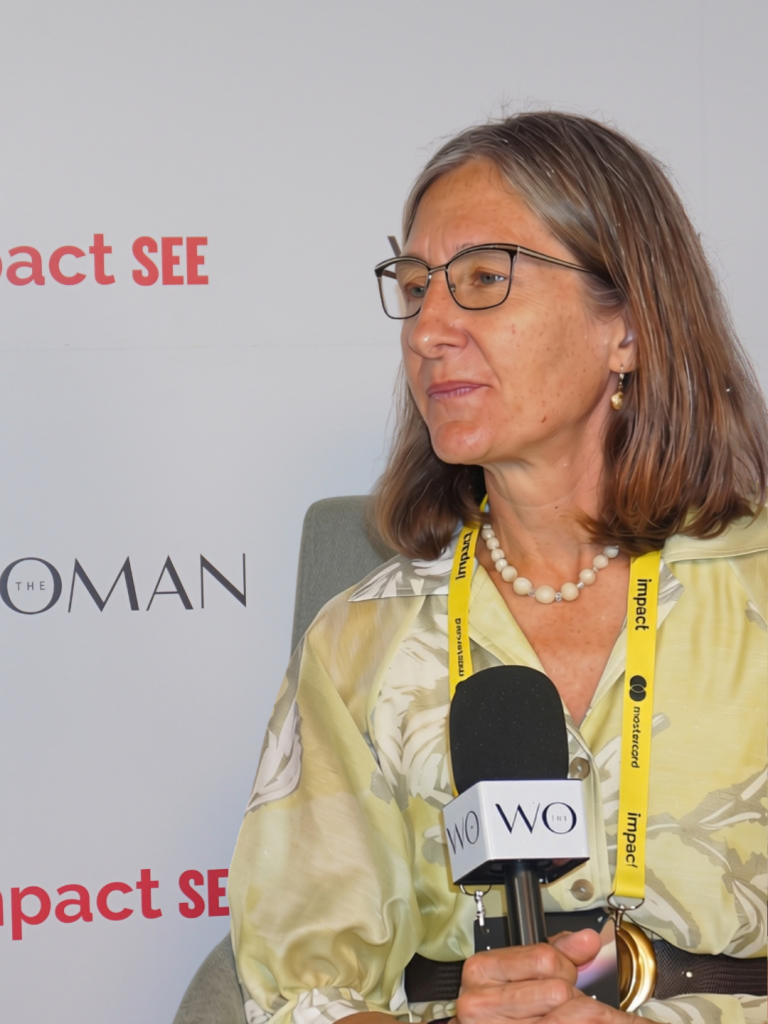
You appeared in ”The Social Dilemma”. What has changed in the way we use technology in recent years, and what has stayed the same despite everything we know now?
So since The Social Dilemma, I would say the problem has only gotten worse. Now we have artificial intelligence chatbots, which use the same types of addictive design features, but now integrated and hidden within the large language models. So that is, you know, concerning that the problem is getting worse, but the good news is that we’re talking about it more, that there have been policy changes.
For example, many countries have now banned smartphones from elementary schools and higher. This is very good news. Some countries have banned social media altogether, like Australia, and through things like the litigation in the United States, corporations that make a profit from some addictive platforms are now having to change their platforms to make them less addictive.
So that’s things like changing the algorithm from an algorithm that optimizes for time spent online, and instead just includes who you’re following and who your friends are. It includes limiting the actual time spent on the platform. It includes more robust age verification, and not having kids use it during the nighttime hours.
So we talk about real life, but what about in the business? We started talking in the last year a lot about burnout. What’s the link between constant performance, the need for reward, and the risk of losing our balance?
Well, we can definitely get addicted to accomplishment and external accolades and praise, and I think for many people that is their drug of choice, but as with any drug, it’s just never enough. It initially feels good, and then you need more reward, more praise, more incentives.
I think the real answer is to get off of the hedonic productivity treadmill, to slow life down, to have more balance, to engage outside of work in family and hobbies and relationships, and importantly, to get off of our devices and go outside and look around and connect with nature, connect with other people in real life. I think this is really the answer.
If you could recommend three habits to practice to the leaders in this room, what would you recommend?
I would recommend not picking up your smartphone or other device first thing in the morning, but instead developing a healthy morning routine that involves things like exercise or meditation, making your bed, eating a healthy breakfast, brushing your teeth, and then and only then getting on your device. And before getting on your device, making a specific list of what you’re going to do on your device so that you don’t go down a rabbit hole of things that you don’t want to do.
It’s important to try to use the technology as a tool and not as a drug.
And as an individual, you can do a checklist, but what about as a company or as an entrepreneur? What can you do for your team or, as a company, what can you do for your people?
Yeah, so companies can actually incentivize people to stop using addictive drugs. There’s a long tradition of corporations paying their workers to stop smoking, for example, and these interventions really work.
So you create a plan, you have coaches, but you also pay your employees with money if they succeed in quitting smoking because, of course, in the long run, that saves the company a lot of money because people are less likely to develop cancer or congestive heart failure, and so the insurance costs are lower. You have a happier worker, a worker who’s more productive for longer.
I also think that companies need to limit the amount of work that people are expected to do and let people have their weekends and their evenings back so there’s not this constant expectation that people are available and online, because very often that tends to be people lower in the hierarchy are expected to be online and available all the time.
People higher in the hierarchy are taking breaks and vacations, so I think we need to be more egalitarian and press the pause button in terms of when people should be expected to be accessible and when the culture of work actually mandates that they take a break.
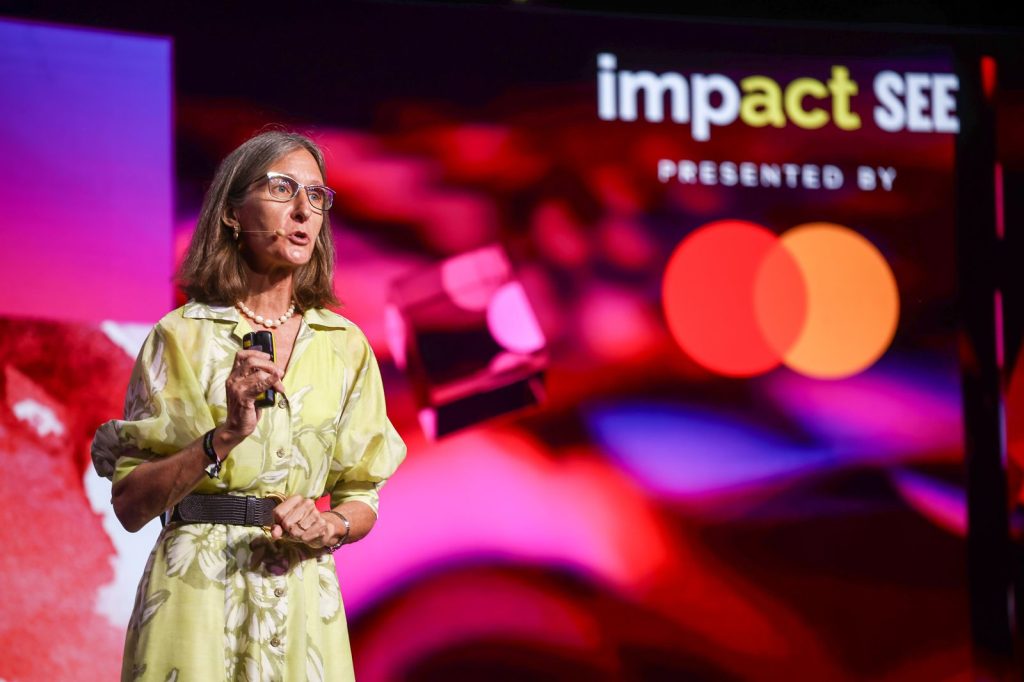
Do you think there are any differences between Europe, the United States, or maybe Asia or some cultures in terms of addictions and burnout and working all the time, being all the time on mobile phones?
I mean, what I’m seeing is more similarity than differences, especially across high-income, highly productive economies. You know, whether I travel to South Korea or Singapore or Romania or Brazil, people are struggling with many of the same things.
The hedonic treadmill, the productivity treadmill, being online too much, struggling with their kids who seem to change their personalities and become much less hard-working, more disrespectful, more emotionally dysregulated, in large part because they’re constantly online and consuming digital media. These are really growing problems and they seem to be quite universal, and they seem to be the worst in the most successful economies in the world.
Can you share with us if you have something you would never do, or some rules you follow, something that you would always do in order to be more focused, more present?
So for me personally, some digital habits that I try to practice on a very regular basis are the morning routine that I told you about. So making sure that I get through my morning routine before I touch any device. I try to make sure that touching my device is not the first thing that I do in the morning.
Another important one for me is to power my phone down and off when I’m not using it and put it in my bag. Just that little bit of friction tends to minimize the likelihood that I’ll go to the phone to either change the way I feel or to entertain myself, numb myself, self-soothe, or distract myself. That’s really important.
And then also to really try to cultivate relationships in real life that I can go to to talk about my problems or to get comfort or to learn new things. It’s really important that it’s not just about what we’re avoiding but also what we’re moving toward.
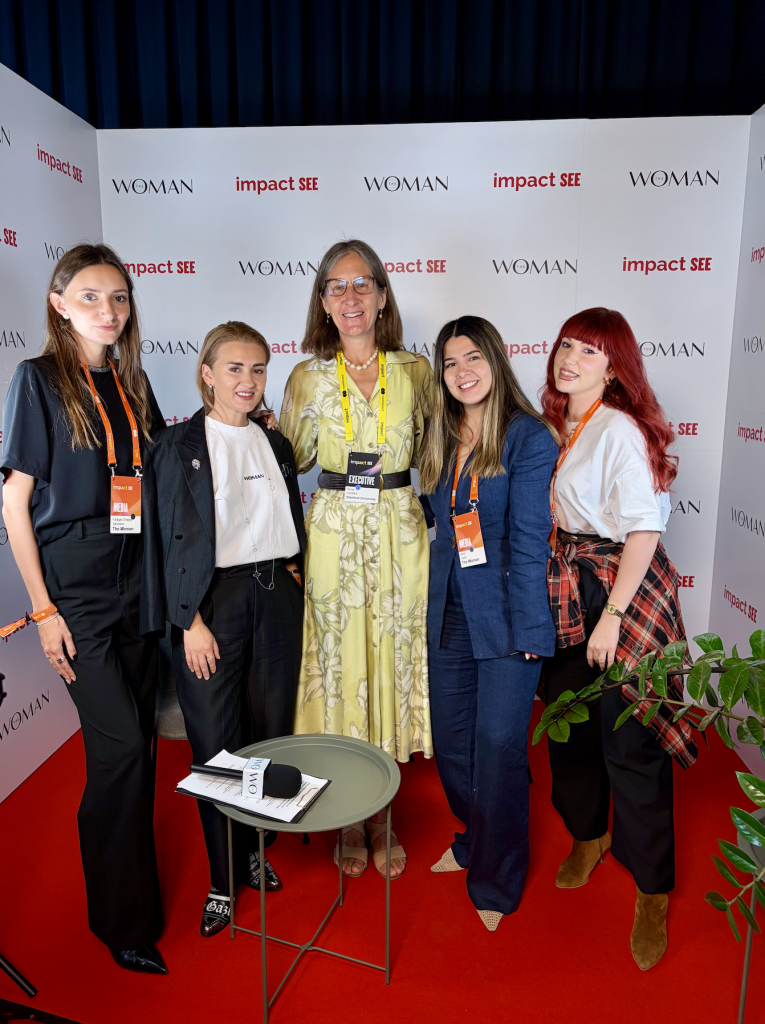
–
Impact SEE’26, presented by Mastercard, brought together nearly 3,000 participants and around 200 speakers at Romexpo Exhibition Center and Face Convention Center on September 29–30. The third edition in Bucharest featured three main stages and eight thematic tracks, two of which were introduced for the first time this year: Investments & Startups and Culture. The program also included Impact Bookstore, a dedicated space for books and meetings with authors attending the event.
The topics covered ranged from the strategies behind building a successful brand to Europe’s ability to develop technology and finance growing companies. Leaders from Mastercard, Banca Transilvania, McLaren Racing, Trendyol, and UiPath joined speakers from government, science, sports, and culture.
–
Read the interview in Romanian here.
You may also like
Andreea Moraru, Managing Director EBRD for CEE and the Baltic States: ”The real measure of success is often not the project itself, but whether it encourages others to follow”
Andreea Moraru is Managing Director for Central Europe and the Baltic States at the European Bank fo

Dr. Anna Lembke vine la Impact Bucharest 2026: dependența digitală, burnout și criza atenției în business
Dr. Anna Lembke, una dintre cele mai influente voci internaționale în domeniul adicțiilor și al
#IMPACTSEE: Marta Liberska, Co-Head of the Agenda Team at IMPACT and member of its founding team: „Success begins when what happened at IMPACT continues elsewhere: in a new relationship, a business idea, a book someone takes home or a project that begins after an unexpected meeting”
Marta Liberska is a member of IMPACT’s founding team and Co-Head of its Agenda Team, alongside Joa
